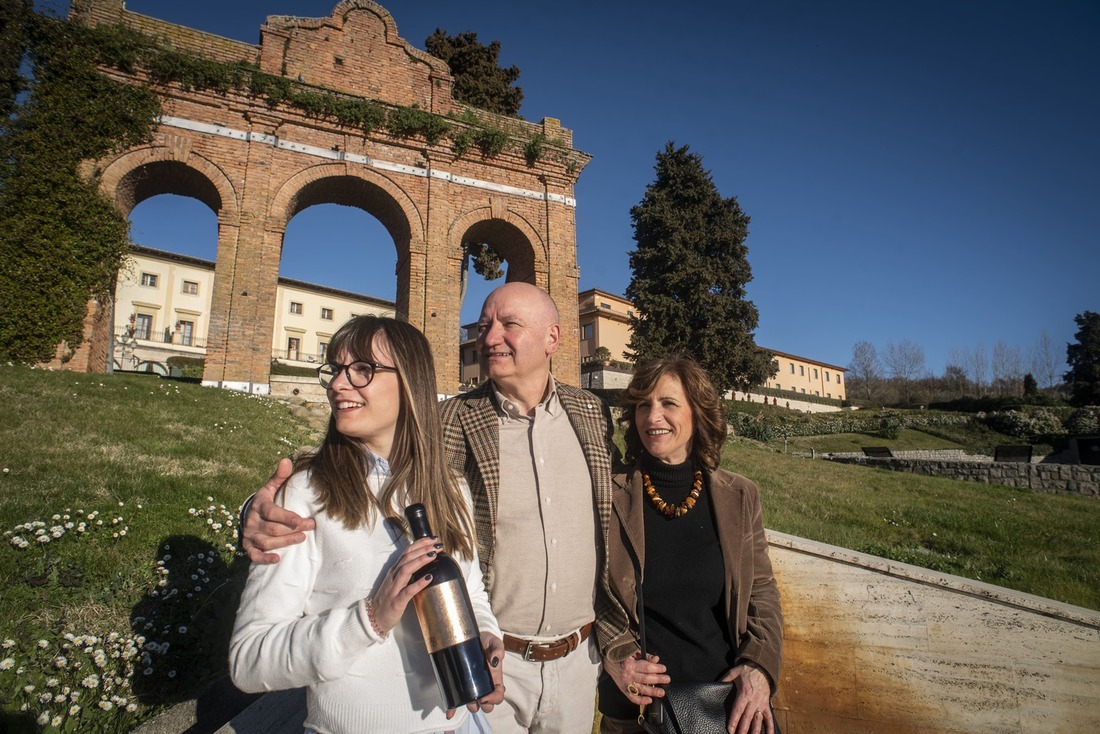
These two new wines evoke an important history, especially that of Sangiovese which is rooted in the peasant history of Tuscany – and which are projected towards the future thanks to a great Cabernet Sauvignon, a grape variety that has already conquered the world.
read more >Author: Valdichiana
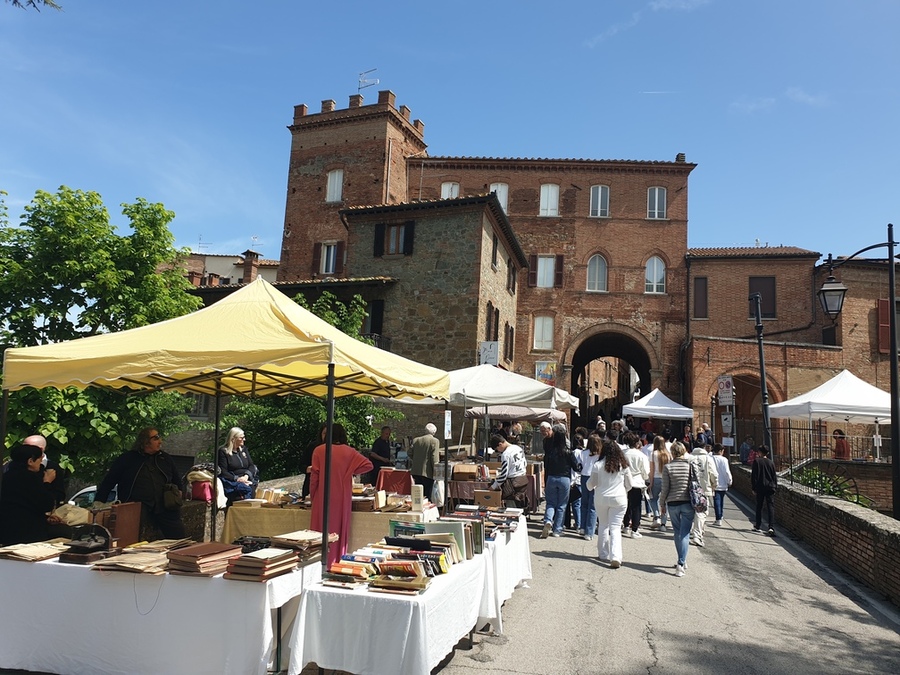
By Simone Bandini We tell you, through the voice of their protagonists, about three events in spring and early summer in Torrita di Siena. Three important opportunities to get to know the village, its ancient history and the artistic liveliness of its citizens: ‘Il Borgo dei Libri’ (24,25 May), ‘Fermento’ (14,15 June) and […]
read more >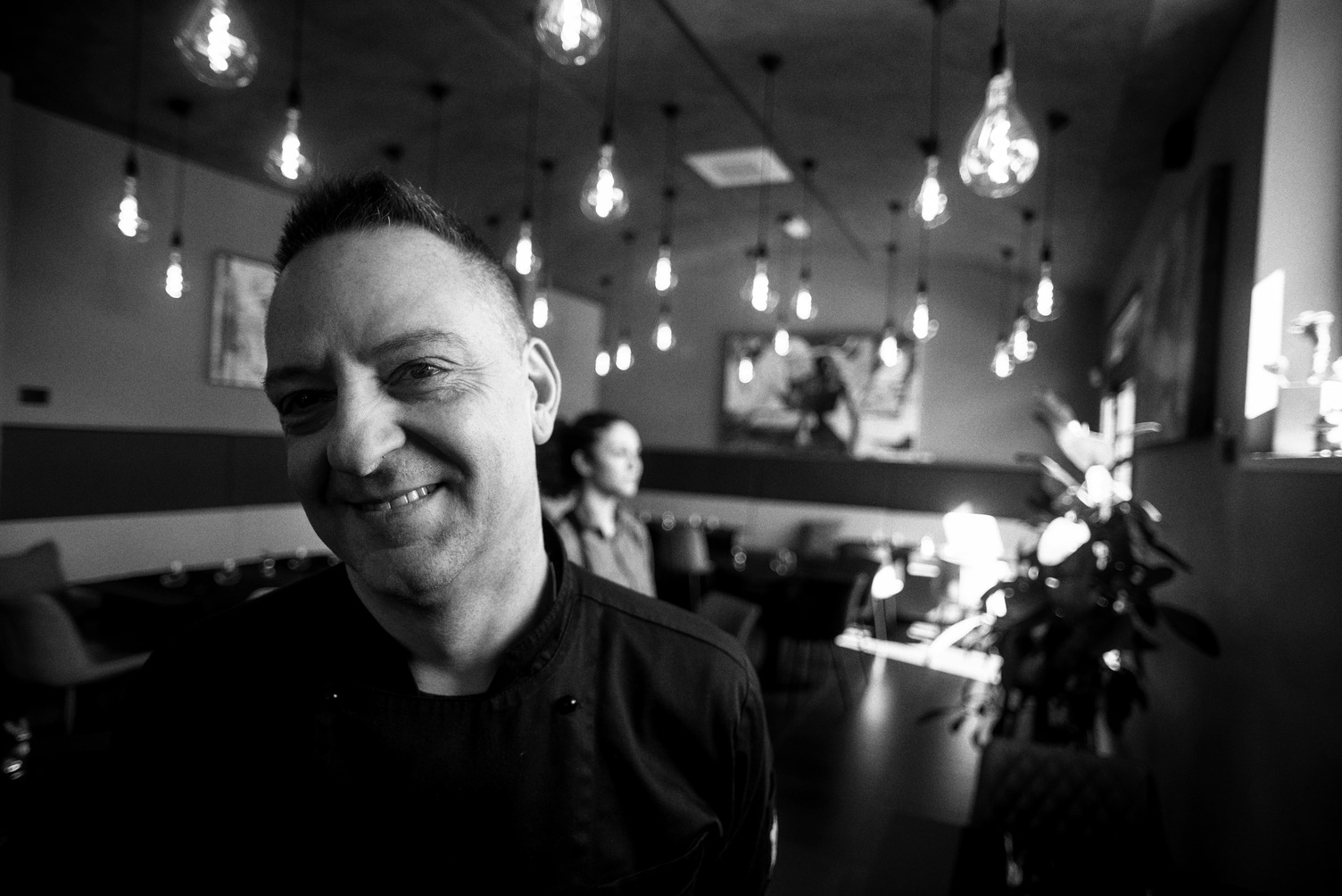
In short, everything originates from this philosophy of beer, a culture transferred to pairing with the restaurant’s dishes: “We build our proposals in the kitchen to enhance our beer, and not vice versa. To this end, the necessary work is not to weigh down the flavours,” they confirm. Our beers are also sometimes used in cooking.
read more >
It happens, wandering through the villages of our beautiful Tuscany, to come across forgotten pieces of history. Yes, the very ones that in lands less rich in antiquity and traditions would drive tourists crazy as if they were rare and precious stones, and which, to us, seem so normal that we don’t pay much attention to them. In Sarteano this is the case of the “Pope’s House”, the palace where Francesco Todeschini Piccolomini, born Pope Pius III (1439-1503), was born.
read more >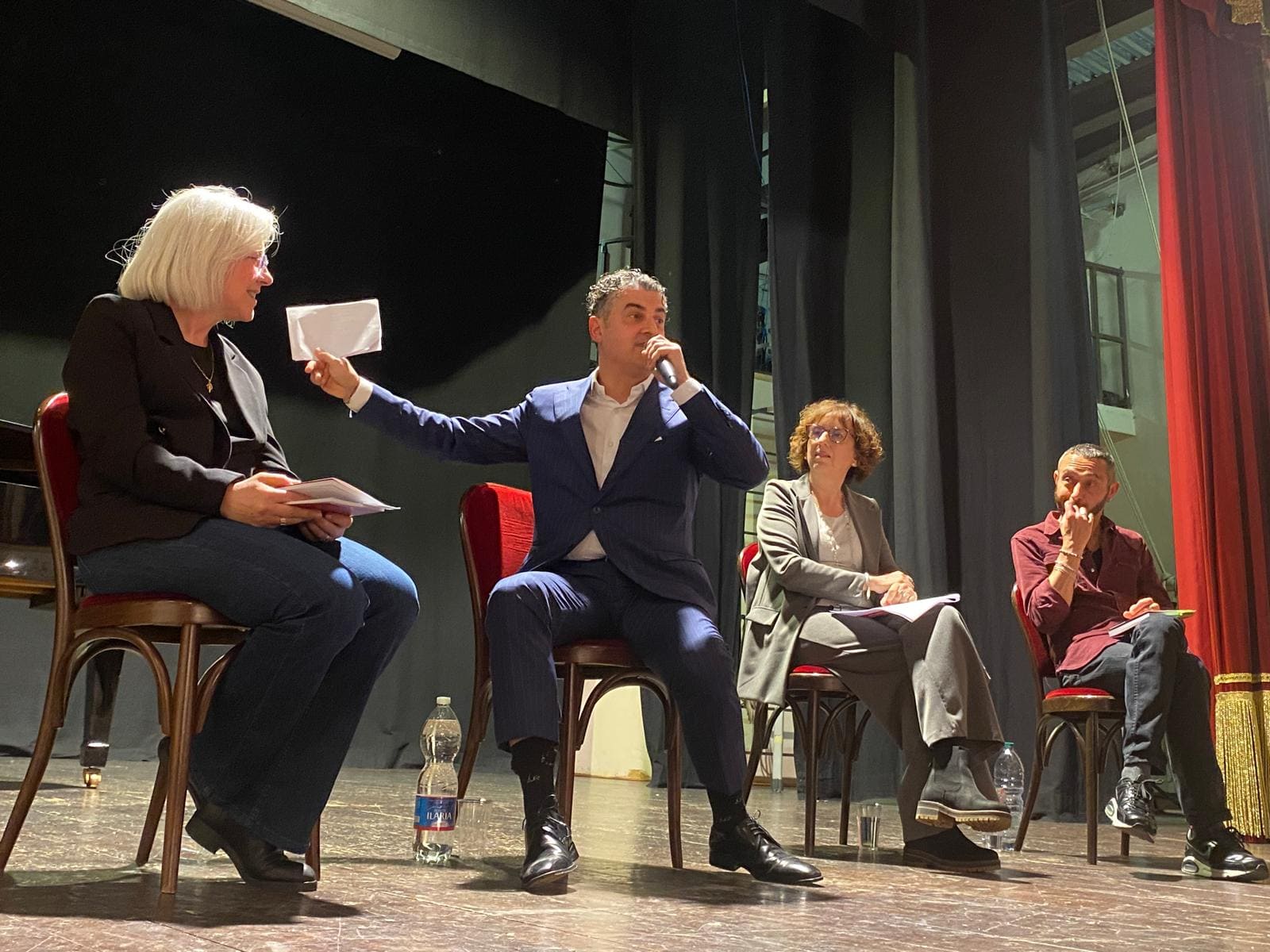
In this new season I would like to continue to produce new ice cream tastes but also to carry on my new literary stimulus at the same time. I already have contacts with musician friends with whom I would like to return to play the role of the showman, as in the past, and maybe finally find a producer who sits in front of me to listen to my rhyming songs embraced by the music.
read more >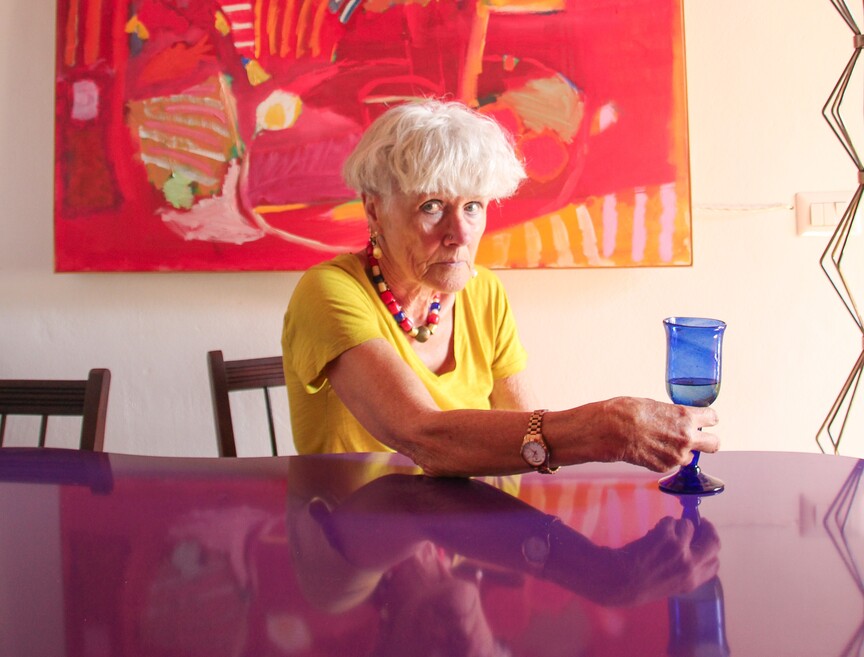
Jutta was born in Coblenz in the Rhineland in Germany during the War, and went to study art and design in Dusseldorf. She had always dreamed of leaving Germany to travel, and spent a year abroad studying and working in Rome. When, after 6 years of art school, the possibility to spend a period in South Africa working for a textile company presented itself, the young Jutta jumped at the opportunity.
read more >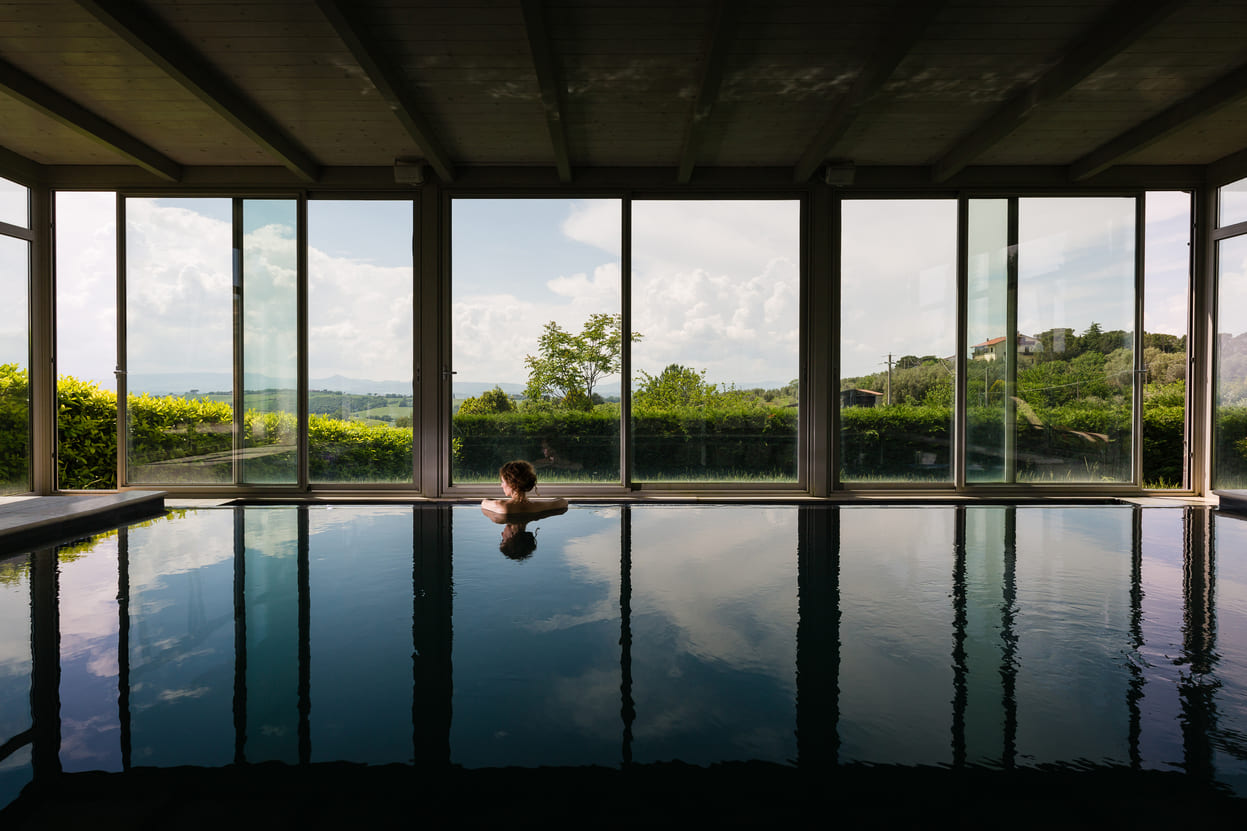
Bruno and Marisella Batinti, after several productive years of hospitality experience with their business “Le Torri di Porsenna” (named for Chiusi’s ancient and powerful Etruscan king) found a new and inspiring site for their country house in Petrignano del Lago, in the Comune of Castiglione del Lago. Overlooking the rolling hills and vineyards near to Lake Trasimeno, the new location for their country house and working vineyard is well named, as it is certainly fit for a king.
read more >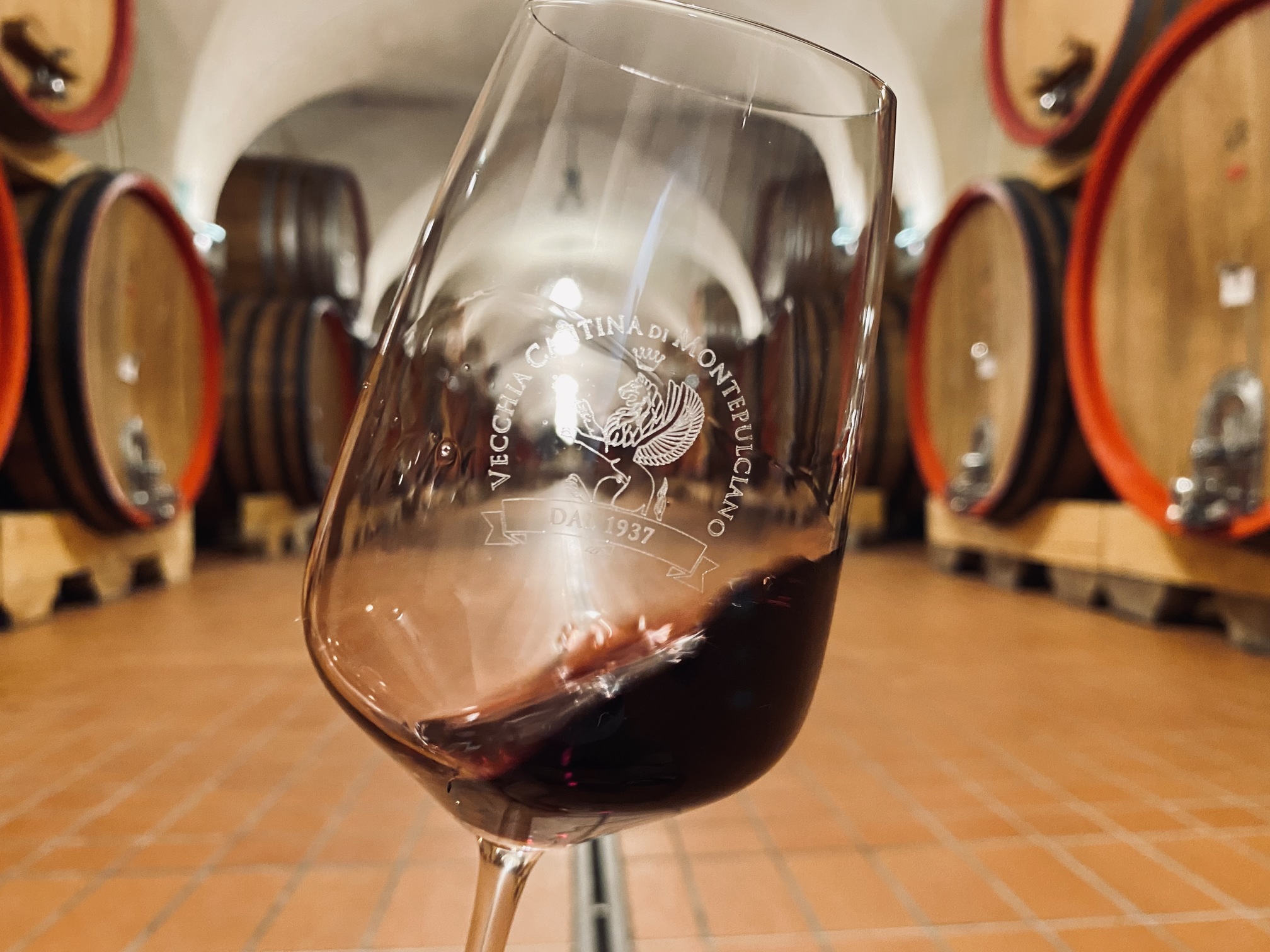
Founded in July of 1937 as a cooperative of fourteen local winemakers who banded together to facilitate both the production and the sales of their wines. Vecchia Cantina bottled its first wine in 1940 during the war. After the difficult war years, in the 1950’s and the reorganization of the lands, the Vecchia Cantina acted as a driving force for wine production in the area, a role that they cover to this day with the over 400 member vineyard owners and over a thousand hectares of vineyards producing around seven million bottles of wine annually.
read more >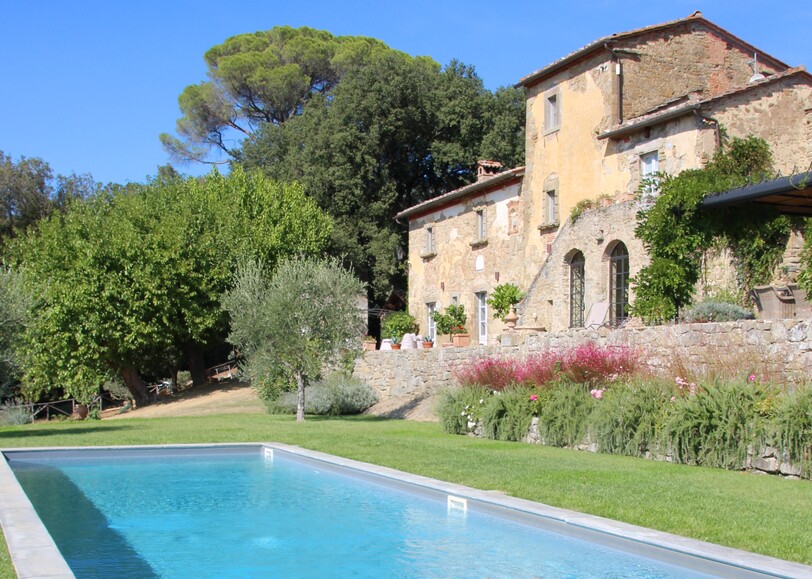
The oldest part of the house, the central tower, goes back to the 15th century, its original incarnation being a watchtower protecting Tuscany’s flank with Papal Umbria. It became a house when two wings to the left and right of the tower were added in 1771 by the Tommasi family, whose coat of arms adorns a large stone set into the wall above the main door.
read more >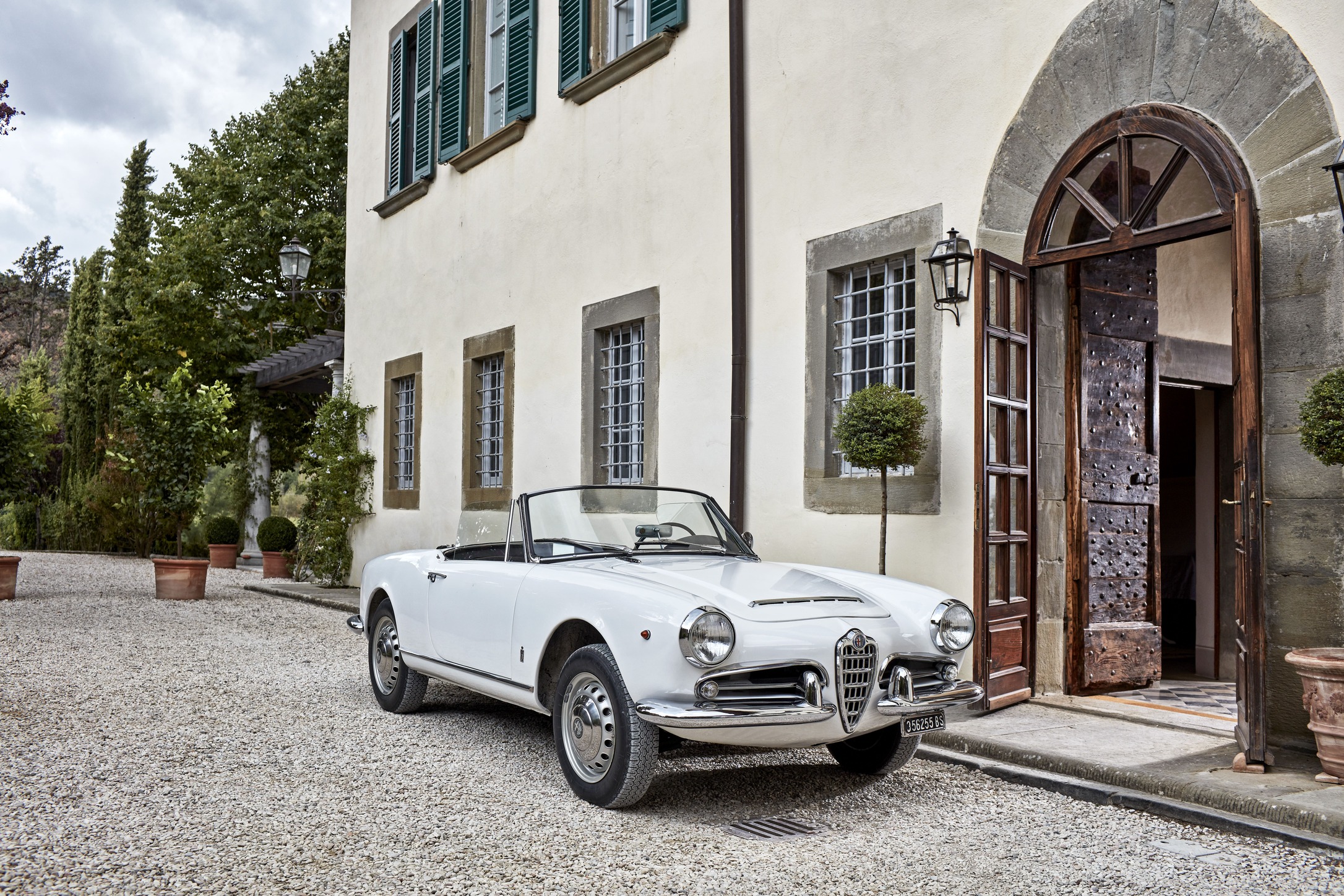
At the end of the Val D’Esse, nestled under the hill separating Tuoro and Lake Trasimeno from the countryside below Cortona sits the tiny hamlet of Piazzano. Just inside the border of Umbria, it is surrounded by farmland, olive terraces and woodland. This ancient area may have gotten its name during the famous battle between the Carthaginian general Hannibal and Roman consul Gaius Flaminius in 217 B.C.E. when it is thought the Roman contingent set up a military camp there with a “piazza d’armi” or a parade ground.
read more >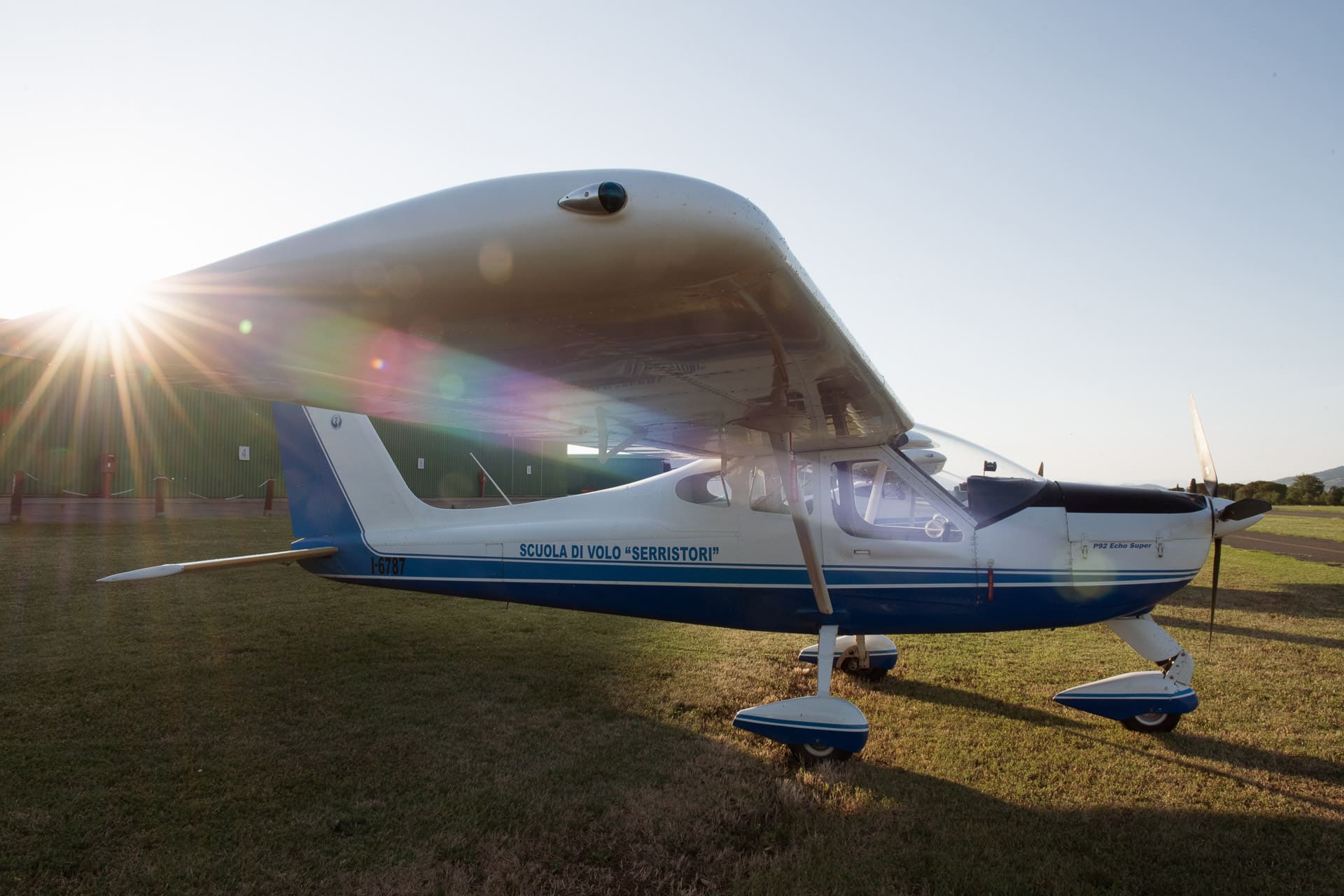
Driving across the flat plain which stretches between Castiglion Fiorentino and Marciano with its fields and sparsely scattered farmhouses, we come across a vast, open stretch of land, eleven hectares in all, home to the Centro Volo Serristori. Here all manner of light aircraft can be seen coming and going, particularly on the weekends – ultralights and small touring planes such as Pipers and Cessna.
read more >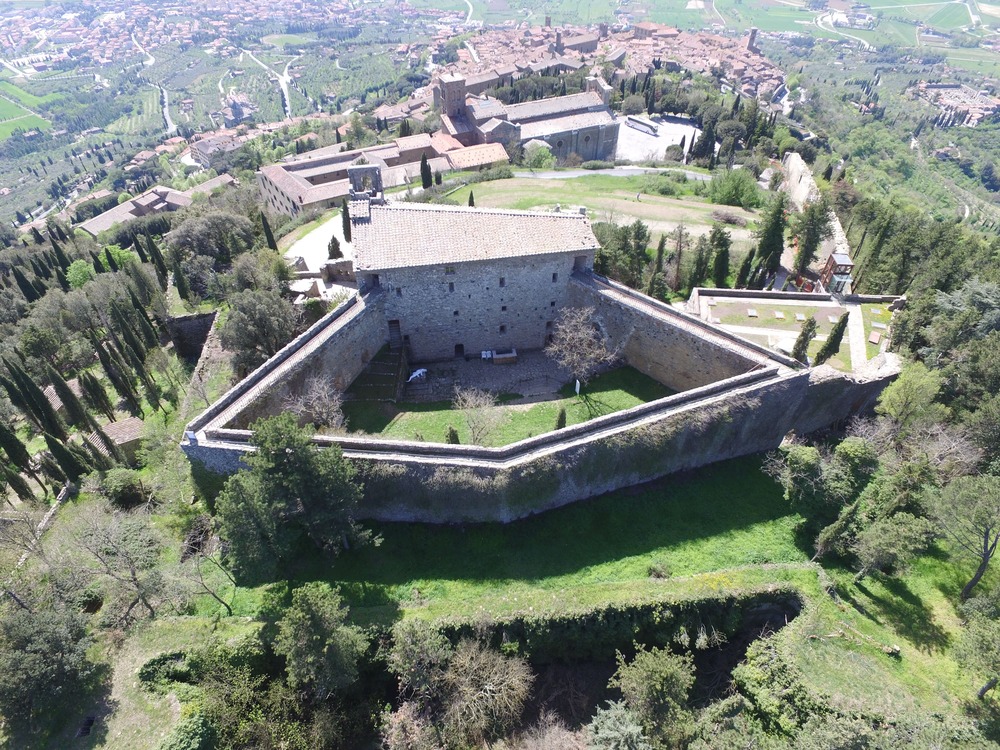
There has probably been a fortress on the hilltop overlooking Cortona since the 5th or 6th century BC, when the original Etruscan walls followed a course which roughly corresponds to the existing perimeter walls of today. However the first historical records describing a ‘strong and beautiful fortress’ date back to 1258 AD. Having been plundered and sacked several times during the wars with Arezzo it was sold to the Florentine Republic in 1411, together with the entire city of Cortona, although reconstruction work only began in 1527.
read more >
The house and lands of Fontelunga have been in Lucia Catani’s family for more than two centuries, with a part of the house itself dating to 1491. From the moment the Catani family purchased the property at the end of the seventeenth century, “every member of my family was born and grew up here”, says Lucia.
read more >
The Piazza collection grew naturally out an emotion: Sebastian and Megan remained astonished by the hollow silence that fell over the piazzas and streets of their town during the worst of the pandemic, so when life began to trickle back into the open air this spring, they realized just how important the social contact of these gathering places is, and the essential vitality it lends to the community. This new collection is based on that idea – the lively conviviality, light-heartedness and sense of belonging that the piazza filled with neighbors and visitors enjoys.
read more >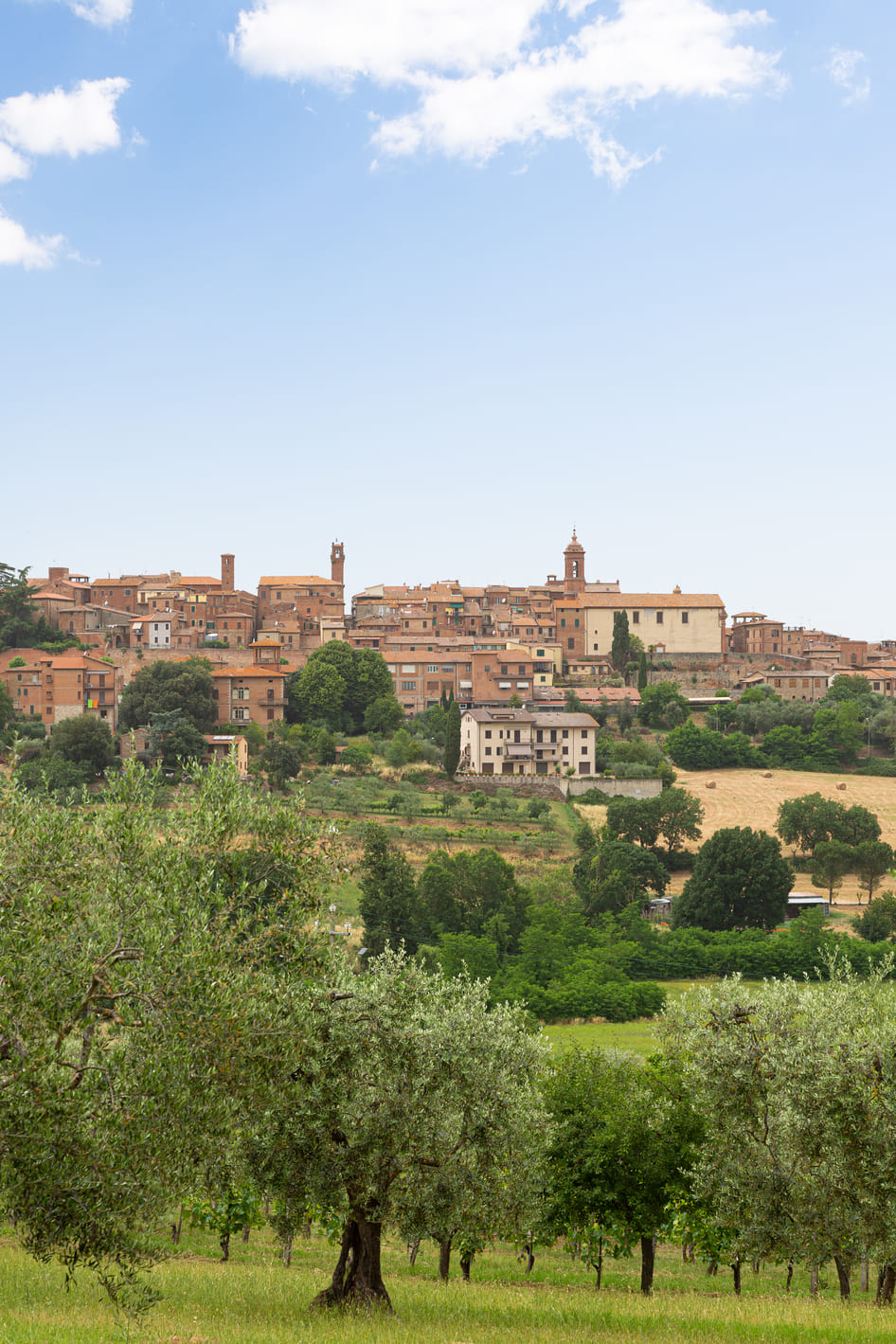
Torrita, once called “Turrita”, is first mentioned in a document dated 1037 where it is listed as the property of the Benedictine Abbey of Sant’Antimo near Montalcino. As a fortified town with a surrounding wall and four towers, it later served as a military outpost for the defense of Siena’s border with neighboring Montepulciano. Later still, the town held Florentine ambitions at bay until it finally fell to the imperial forces of Charles the First in 1554 and the entire area passed into the Florentine Grand duchy.
read more >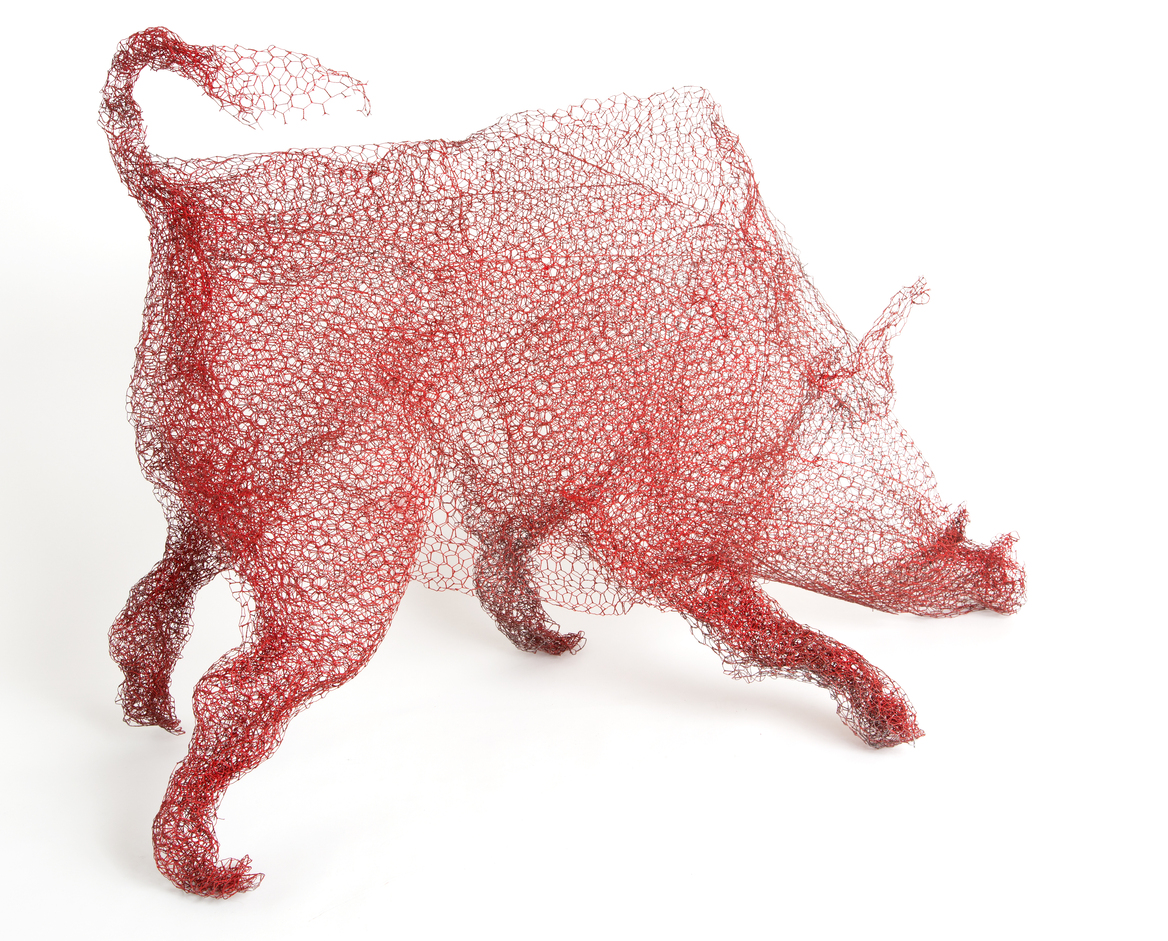
While the wire and kinetic sculptures of Alexander Calder and the works of Picasso have been stylistic influences, Antonio has a fascination for the animal world and the natural environment. He started his artistic career making abstract sculptures, but today his creatures include familiar beasts, such as wild boar and deer, dogs, and cattle, but also more exotic rhinoceros and crocodiles. His sculptures are often made of found and recycled materials, which led him to the concept of “land art”. For these installations, Antonio finds a spot in the mountains or countryside and constructs a sculpture from the natural materials he finds on the site.
read more >