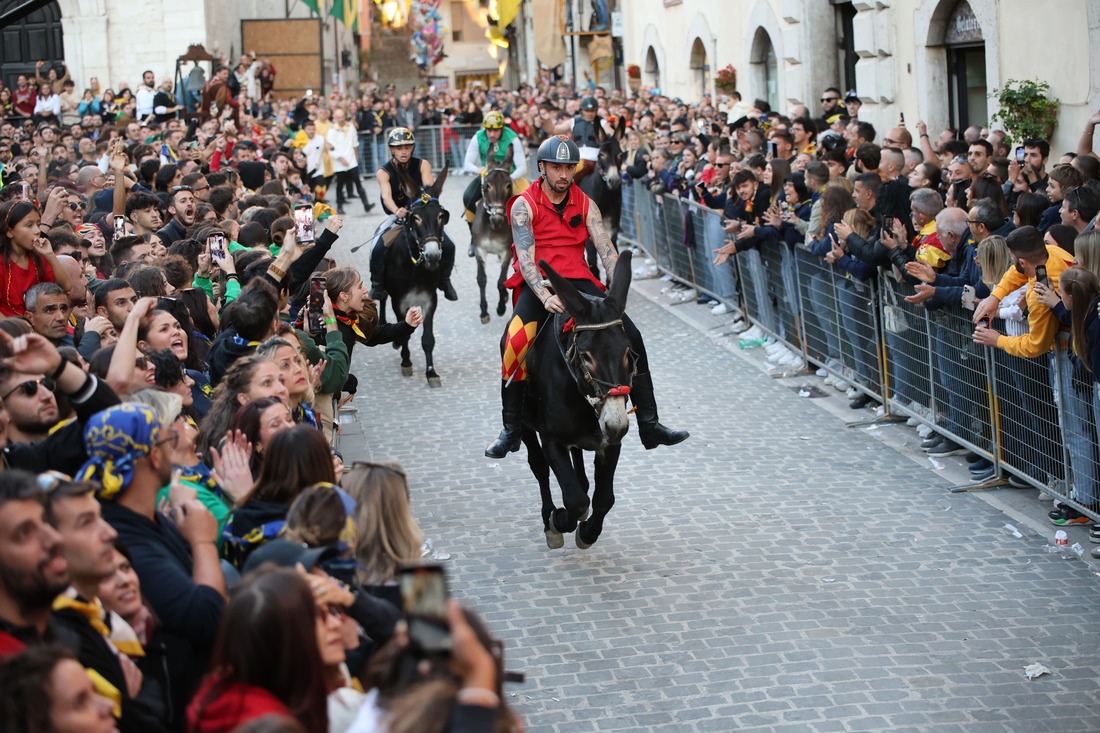
The three-day program is packed with parades, challenges, and reenactments. The festival unfolds over an intense weekend full of events.
read more >Tag: middle ages
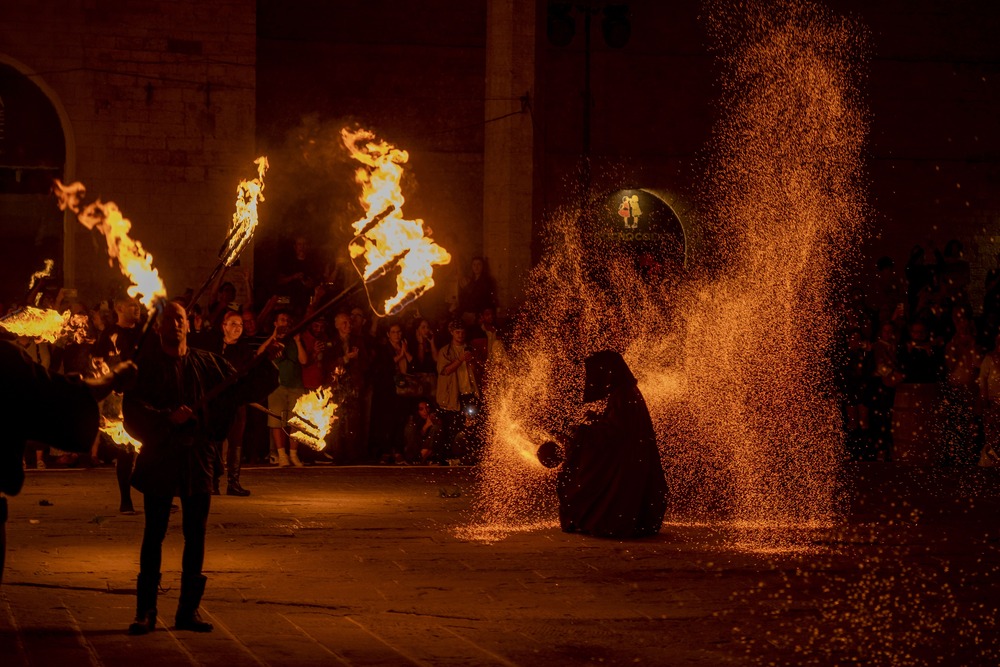
The exiled Perugian nobles, the so-called Beccherini, fought with Braccio, while the Perugians of the opposing party, the Raspanti, that is, the nobles and members of the “grasso popolo” (the wealthy people), the rising bourgeois class, fought with Malatesta. Having won the battle, Braccio Fortebraccio obtained the keys to the city and the government of Perugia, thus beginning his rule and putting an end to the bloody infighting between the two factions.
read more >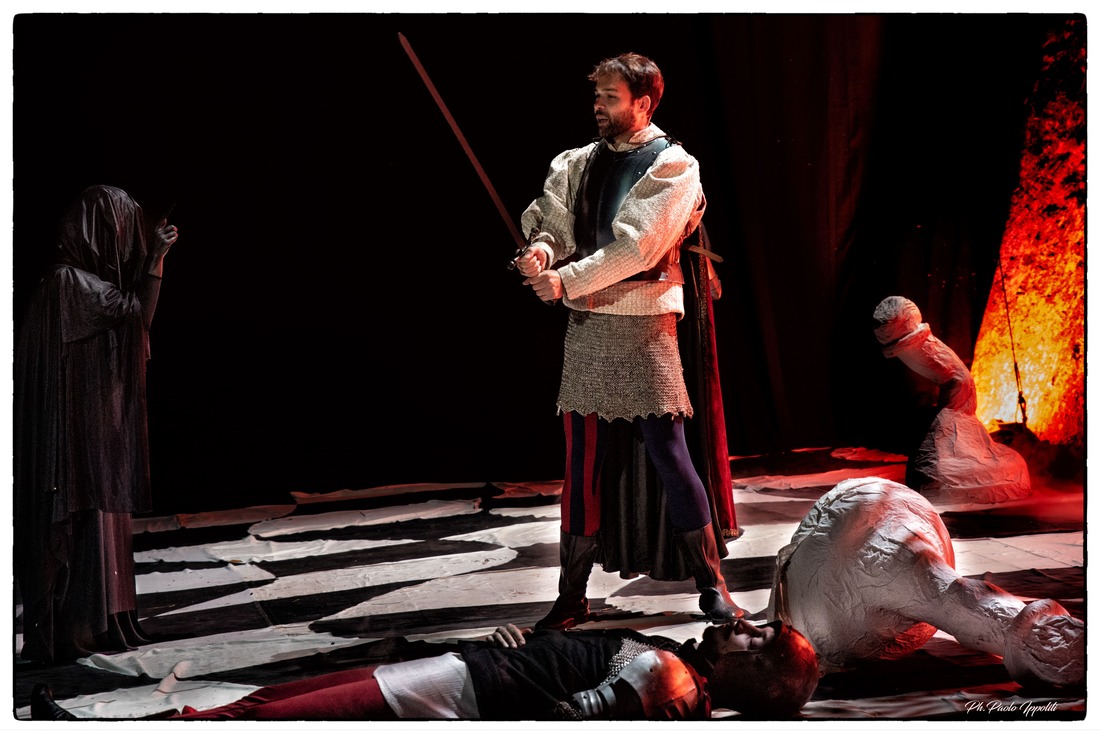
The flags of the three Rioni — Porta del Borgo, Porta del Monte, and Porta del Verziere — are raised over the squares, costumes come out of the wardrobes where they are kept all year, and in the neighbourhood clubs the final touches are put on the stage sets.
read more >
Pro.Rest, an acronym for “Progetto Restauro” (Restoration Project), is much more than that. It is one of Spoleto’s family-run businesses of excellence, headed by architect Bruno Gori, assisted by his children Riccardo, also an architect and designer, and Francesca, an archaeologist specializing in the Middle Ages.
read more >
The event spans three days during the last weekend of September; this year it will take place from the 26th to the 28th. It begins on Friday with a highly evocative procession: approximately 1,200 participants known as tavernieri depart from each individual gate of the city
read more >
Amongst the great variety of temporal and spiritual potentates that dot the history of Italy, the Holy Roman Emperor Otto III passed through here (remembered by the Edict of Fonterutoli of 998 which put an end to the territorial conflicts of the dioceses of Siena, Arezzo and Fiesole), then Pope Leo X who left Rome and stopped in Castellina to meet the freshly nominated King of France in 1515; here came the Guelph troops who came down from Florence for the Battle of Montaperti (4 September 1260) and were soundly defeated; an earthquake for the European geopolitical scenario in favour of the Empire and the Republic of Siena. We also remember how Filippo Brunelleschi passed here to remodel the fortresses of Castellina, Staggia and Rencine. We also recall, for various reasons, various famous personalities who were here for work or residence, such as Niccolò Machiavelli, Jacopo della Quercia, Lisa Gherardini and Michelangelo Buonarroti.
read more >
DI SIMONE BANDINI In order for a real, physical place to maintain its symbolic relevance alongside its architectural shape, its space must be open – with precise exchanges between material and transcendental reality. I realize intuitively and suddenly that here – at the Rocca di Staggia – I am in one of these places. Donatella […]
read more >