But for whom did we build these barricades, raising impassable walls against the families opposite – who had suddenly become treacherous squads, bands of smearers? «On behalf of the bourgeoisie, which creates false myths of progress?» Franco Battiato sang. I wouldn’t say that. Because the bourgeoisie has been annihilated by the globalist progressivism that is waving the new post-Marxist flag of the primacy of the economy over politics. And with avalanches of money it maintains a plethora of new Chinese mandarins in the employ of large financial groups and conniving government elites. Then at the same time it fights in the trenches trying to devalue all the traditional symbols and uses of Western civilization, starting from the archetypal concept of gender identity.
read more >Tag: Culture
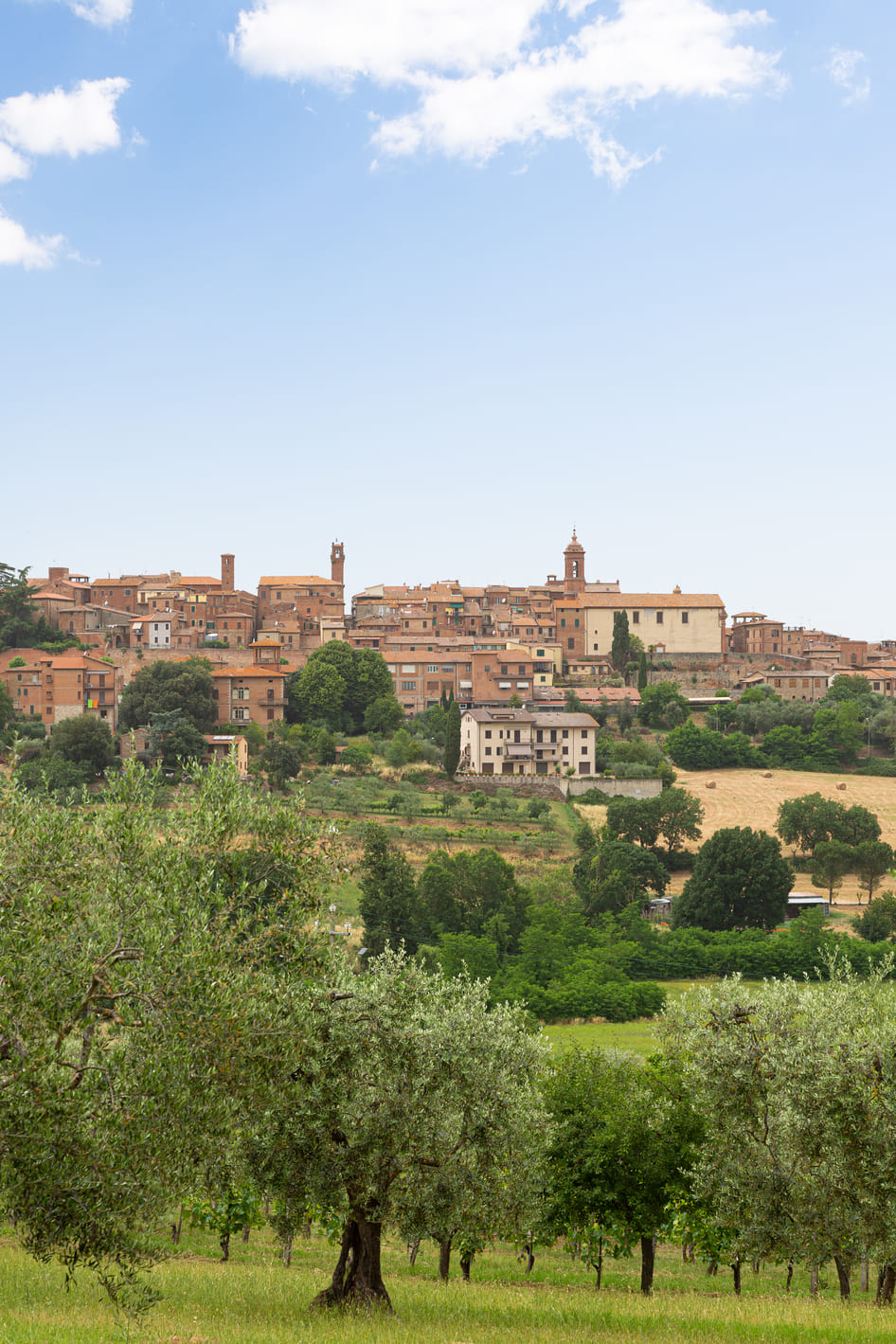
Torrita, once called “Turrita”, is first mentioned in a document dated 1037 where it is listed as the property of the Benedictine Abbey of Sant’Antimo near Montalcino. As a fortified town with a surrounding wall and four towers, it later served as a military outpost for the defense of Siena’s border with neighboring Montepulciano. Later still, the town held Florentine ambitions at bay until it finally fell to the imperial forces of Charles the First in 1554 and the entire area passed into the Florentine Grand duchy.
read more >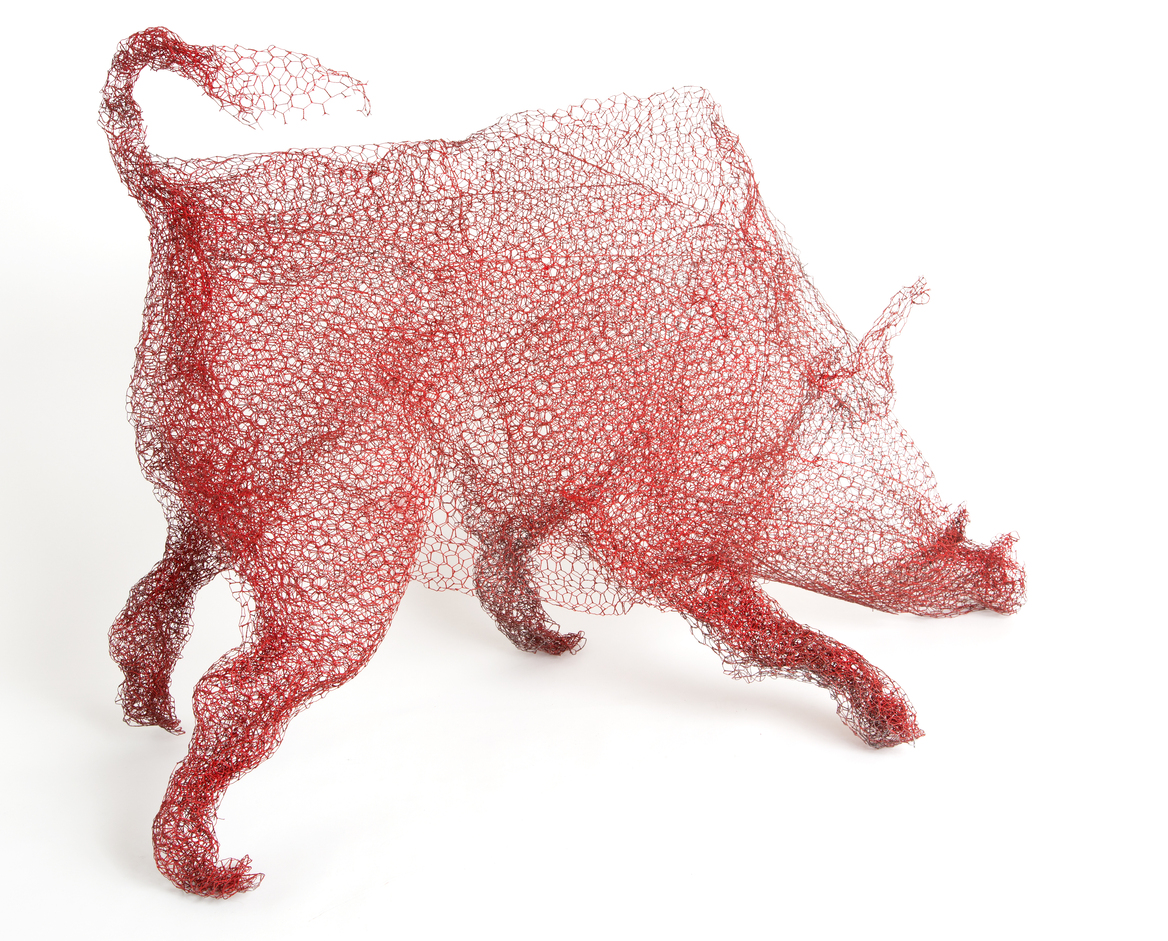
While the wire and kinetic sculptures of Alexander Calder and the works of Picasso have been stylistic influences, Antonio has a fascination for the animal world and the natural environment. He started his artistic career making abstract sculptures, but today his creatures include familiar beasts, such as wild boar and deer, dogs, and cattle, but also more exotic rhinoceros and crocodiles. His sculptures are often made of found and recycled materials, which led him to the concept of “land art”. For these installations, Antonio finds a spot in the mountains or countryside and constructs a sculpture from the natural materials he finds on the site.
read more >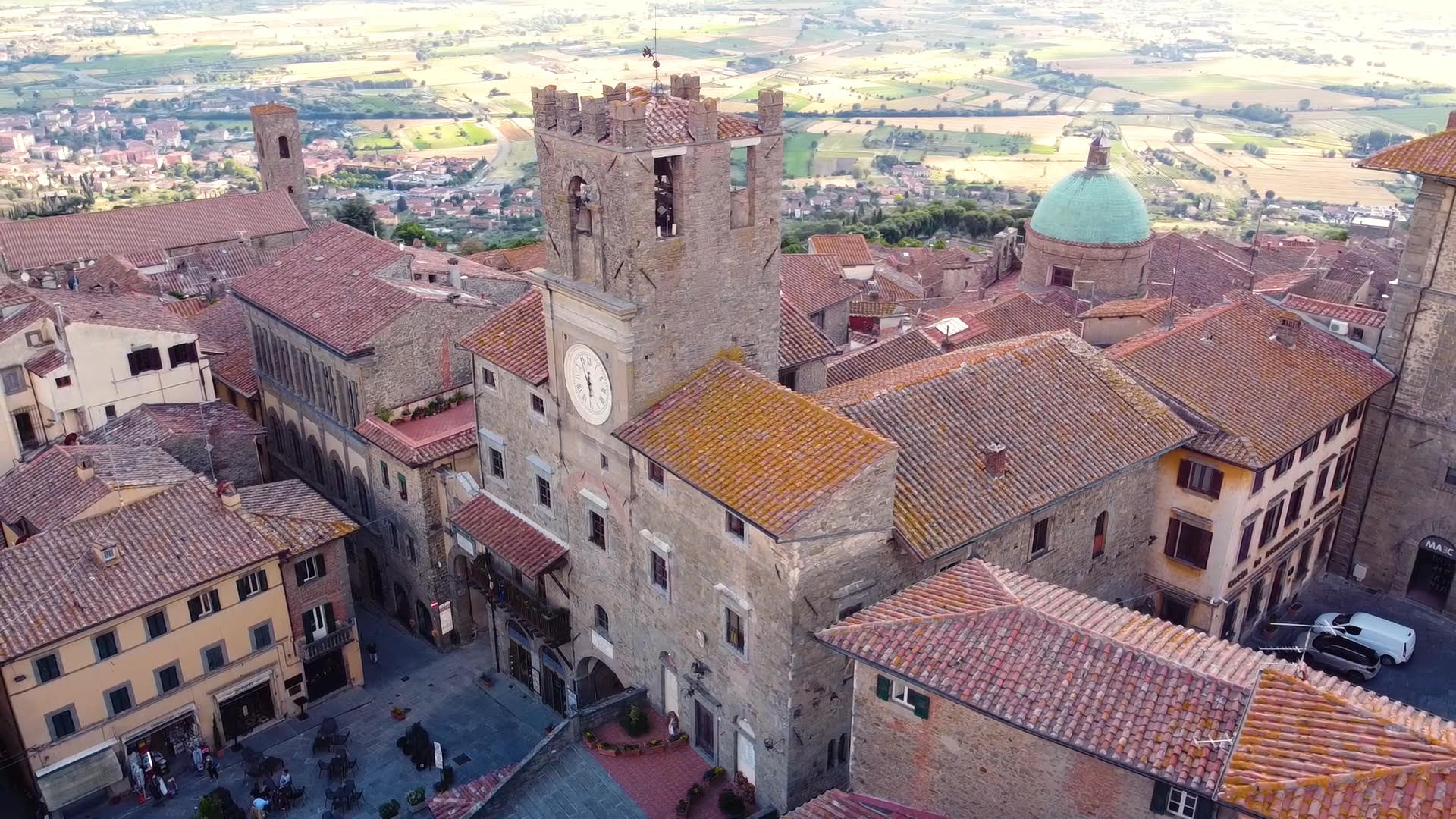
Since this February, the Etruscan city has featured a new high-speed connection with the large cities of Northern Italy. The “Frecciarossa” train allows one to move between Milan and our train station in three hours and this will make visiting the city’s splendors even easier and more comfortable. The health situation is still in a difficult moment, but the city administration, together with cultural and tourism operators, has prepared a program of events to be held with complete safety in mind. There are also a series of packages that foresee the possibility to “find refuge” together with family members in one of the fine accommodation facilities in the area. Cortona is a small center, with a big heart and with a vast and varied territory – from mountains to gentle hills, down to the valley where some of the most interesting gastronomic wonders of Tuscany are produced. Already, starting this Spring, in accordance with actual health conditions, exhibitions will be prepared, and the first events of the season brought into being. The idea of choosing Cortona for your “safe harbor” away from life in the big cities is beginning to gain ground as a lifestyle choice post-Covid 19. Already a significant number of professional people have decided to spend a part of their time here, as they continue remote working.
read more >