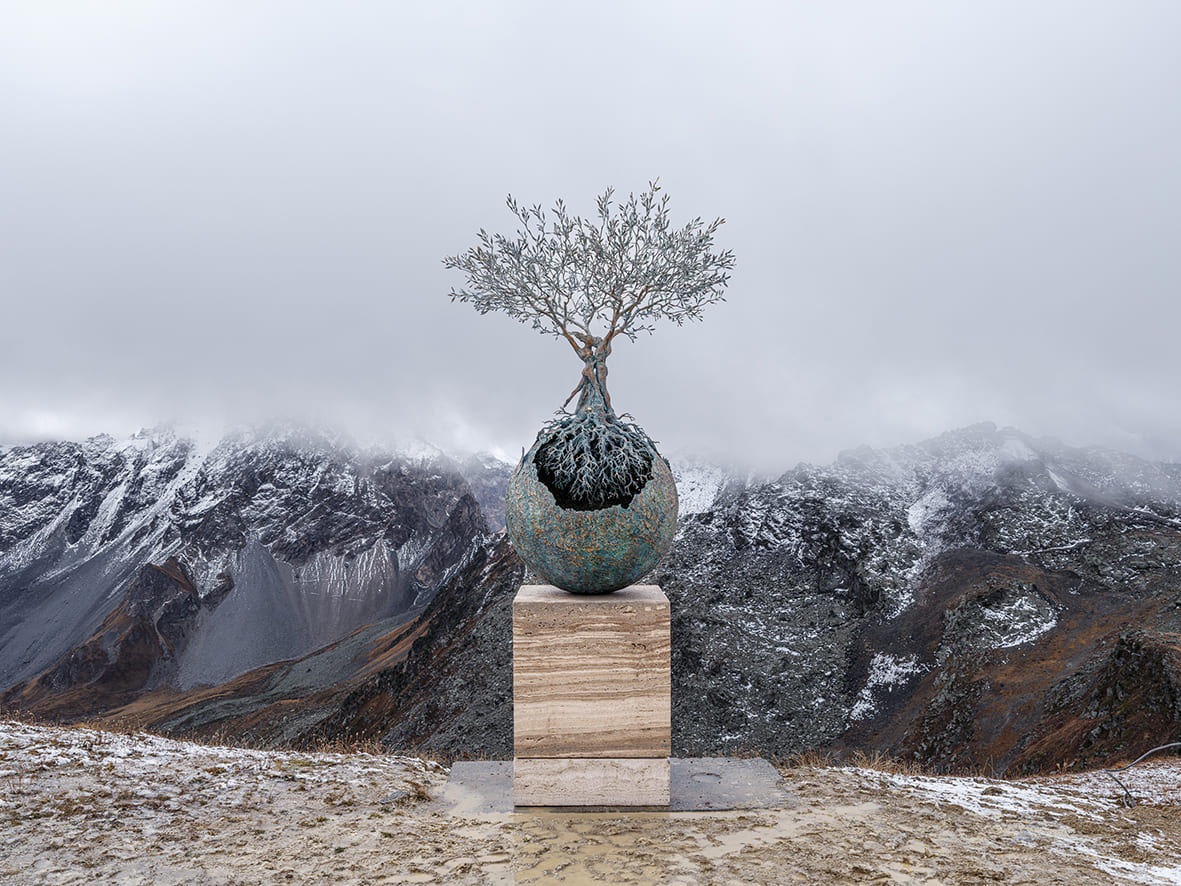
We have built an intense path between Italy and Europe, with installations and solo shows that have given continuity to a message that is now recognizable: telling the story of life, energy, roots and the tension towards the future through works that dialogue deeply with places and people.
read more >Tag: Art
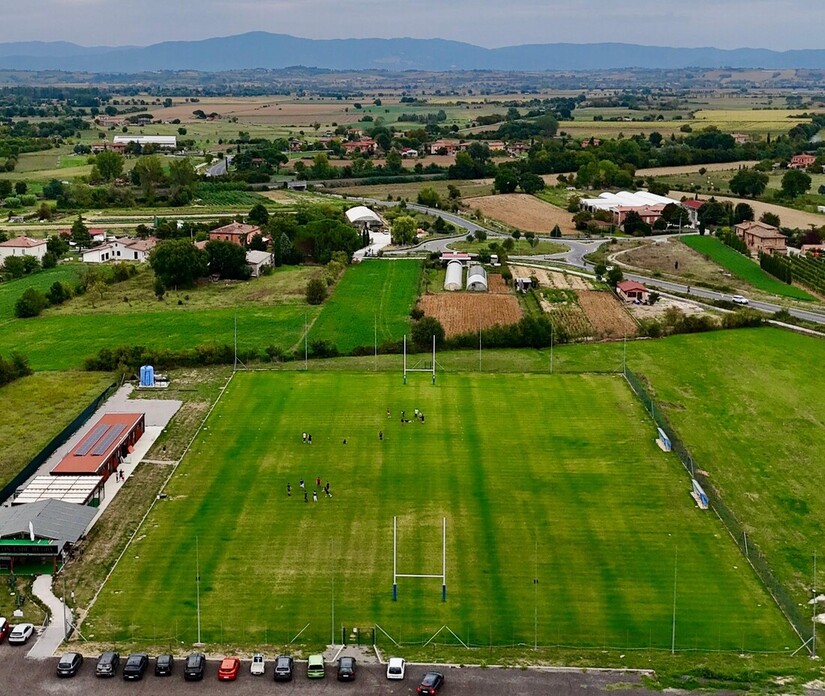
Music and artistic activities are essential for the cohesion of the city. In this regard, the works of the “School of Music” came to an end.
read more >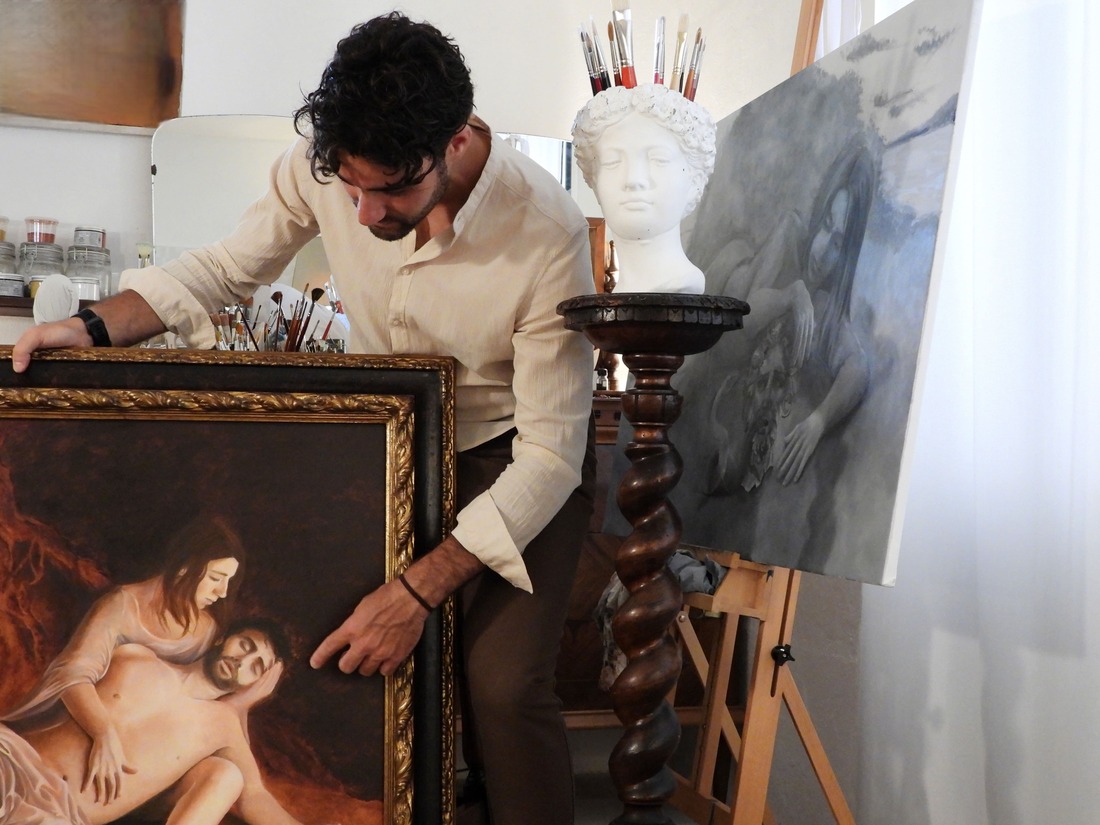
Sheets with sketches of figures are hung up, seemingly in pursuit of perfect proportions; brushes and paints are carefully arranged in a corner-these details reveal the meticulous manner in which he conducts his studies.
read more >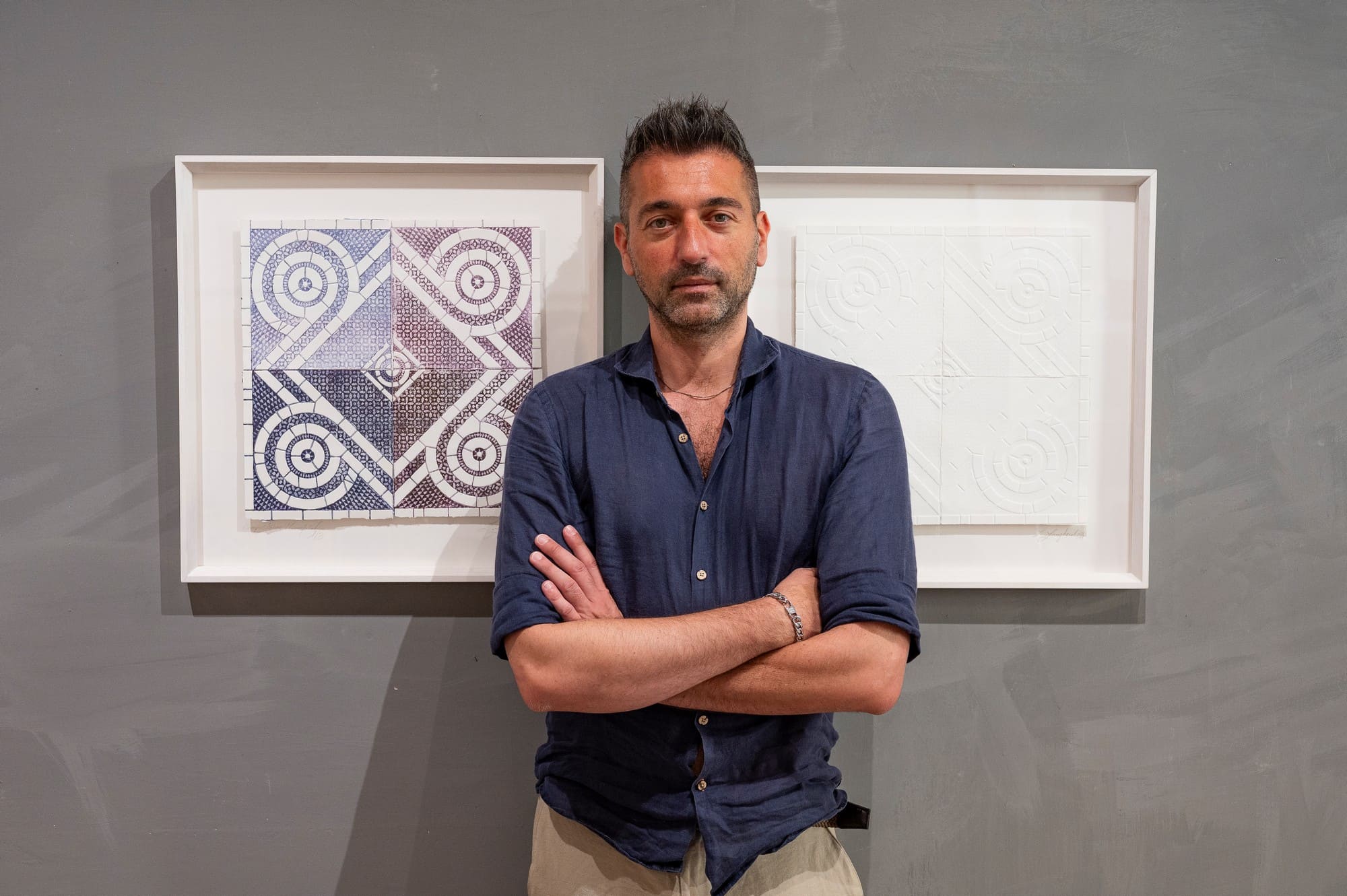
A journey through engineering, art and the evocative power of detail, which reveals a world where the precision of the stroke dialogues with the extemporaneousness of the imagination.
read more >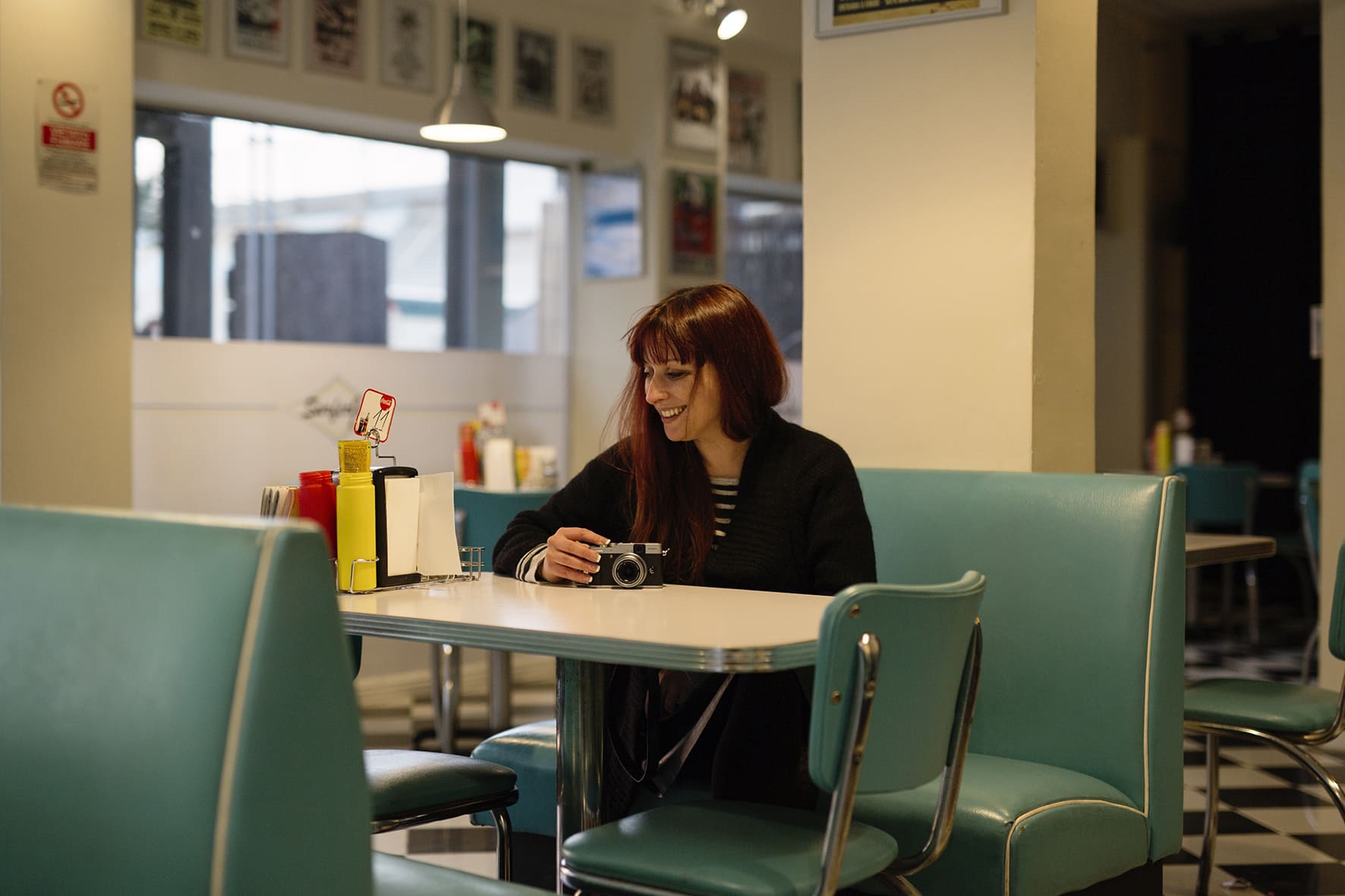
As for her work, in addition to events and ceremonies, the Casentino artist promotes family photography and souvenir photos in her studio, “in a world where one is overwhelmed with images without retaining one”. The press is a perfect example of this and I, is absolute testimony – and I, as an old-fashioned publisher, fully agree.
read more >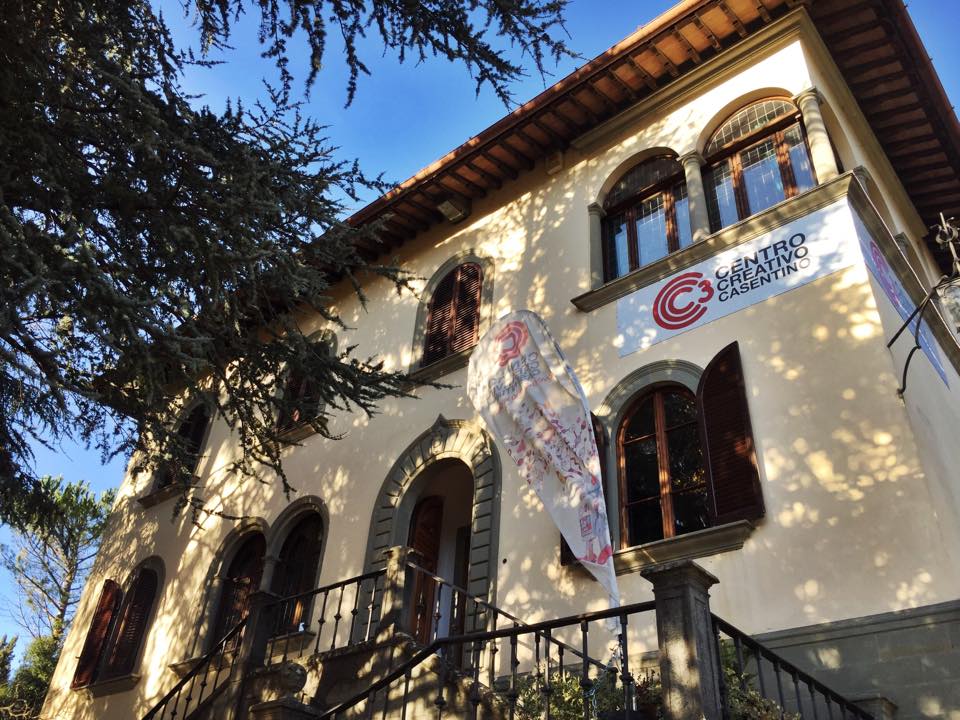
The Centre is structured as an educational environment and a training space open to people of all ages, from different backgrounds and cultures. It’s a place to develop one’s sociability and exercise one’s creativity, participating in the proposed activities and enjoying this meeting place every day.The activities are very diverse in order to satisfy all different interests and needs, both for young and elderly people with whom the centre also collaborates through an active generational exchange.
read more >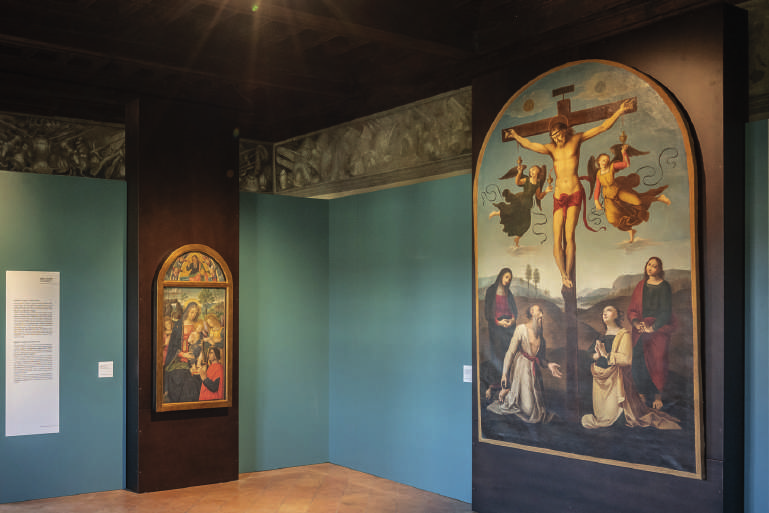
Among the novelties, the scientific color reconstruction of the first documented work of Raphael, the Coronation of Saint Nicholas of Tolentino, edited by Francesco Paolo Di Teodoro and Filippo Camerota, visible in the exhibition through a digital installation produced by the Museo Galileo in Florence, and the scientific account of the important restoration work, by the Central Restoration Institute (ICR), the banner of the Brotherhood of SS. Trinità, the only mobile work of the artist left in Umbria, now located at the Municipal Art Gallery of Città di Castello in the same room of the “Martirio di San Sebastiano’, by Luca Signorelli, one of the most studied artists by Raffaello in his youth. The restoration has allowed to fill some of the gaps present in the work and left ‘exposed’ in the previous intervention of 2006, always edited by the ICR.
read more >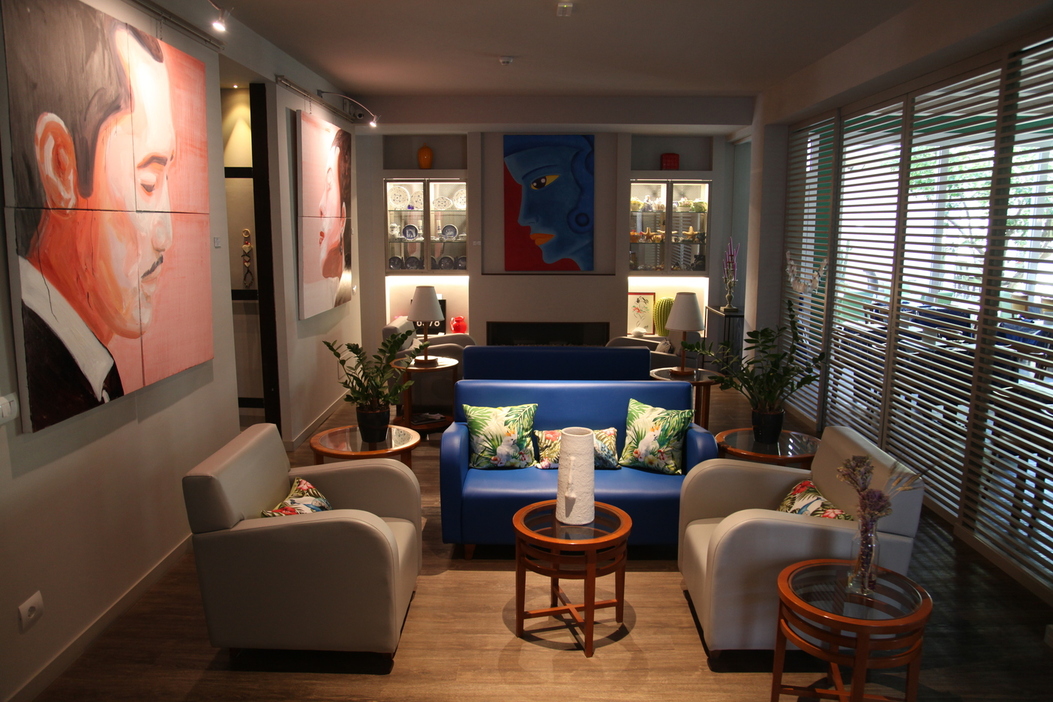
A historic and ground-breaking Riviera hotel, the Lucerna was founded in Castiglione della Pescaia in 1958 by Nello Raffi, Laura’s grandfather. In the same year, just think, that the famous Riva del Sole hotel opened. It was in 1972 that her parents Gino and Brunella started working so much there that the young Laura spent her youth here, breathing the air and life of the hotel in the management work as well as in the extraordinary ambience of encounters and acquaintances with the legendary characters of the time.
read more >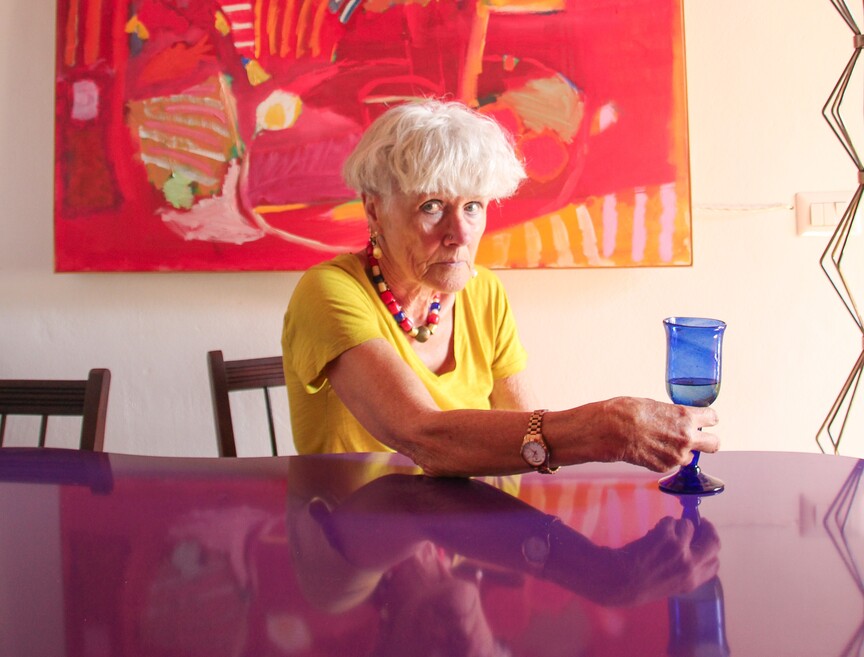
Jutta was born in Coblenz in the Rhineland in Germany during the War, and went to study art and design in Dusseldorf. She had always dreamed of leaving Germany to travel, and spent a year abroad studying and working in Rome. When, after 6 years of art school, the possibility to spend a period in South Africa working for a textile company presented itself, the young Jutta jumped at the opportunity.
read more >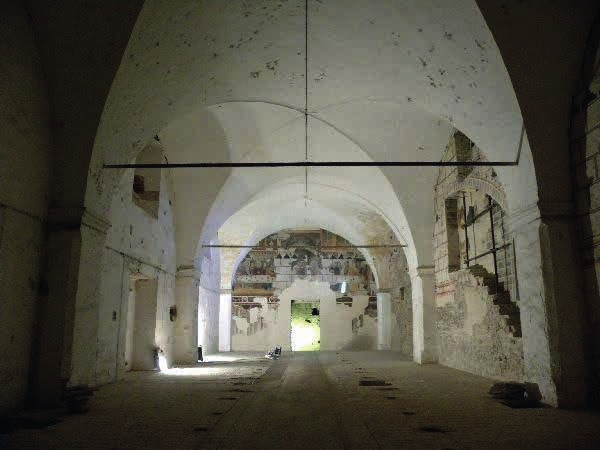
The frescoes of the fifteenth century coexist with an older layer dating back to at least two centuries before, which have a clearly templar nature”. They are part of the original decorative apparatus of this, which could have been a church but also a temple, since the motifs refer to the stone of the temple in Jerusalem.
read more >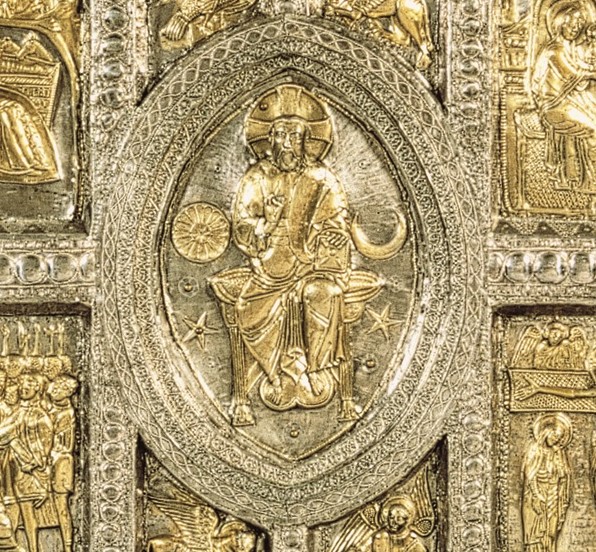
The Valle Museo [Valley of the Musems] comes closer. What is meant by this expression? Is it said that it was coined a few good decades ago by the Castello gallery owner Luigi Amedei and then became an effective (if abused) synthesis for interregional tourism and cultural policies between Città di Castello and Sansepolcro.
read more >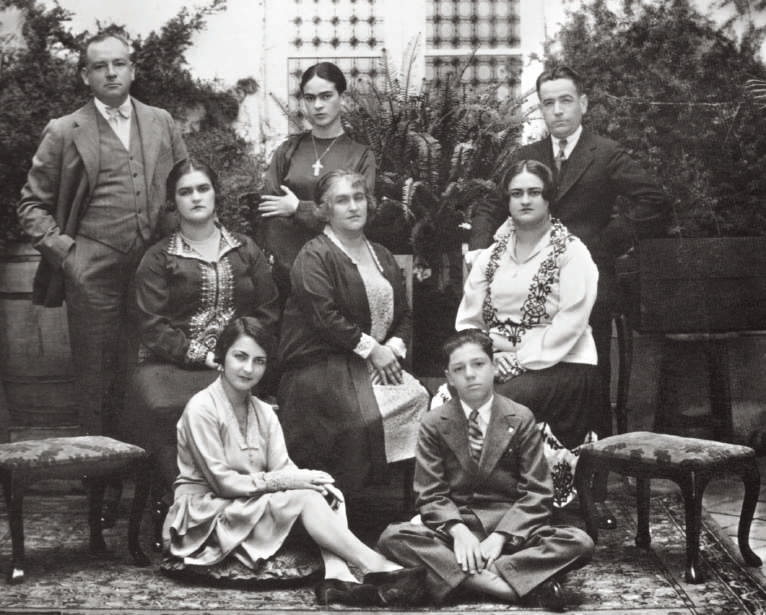
In this extraordinary “photo album” often painful events in her life pursue one another but she remained always passionate about her life, her loves, friendships and adventures.
read more >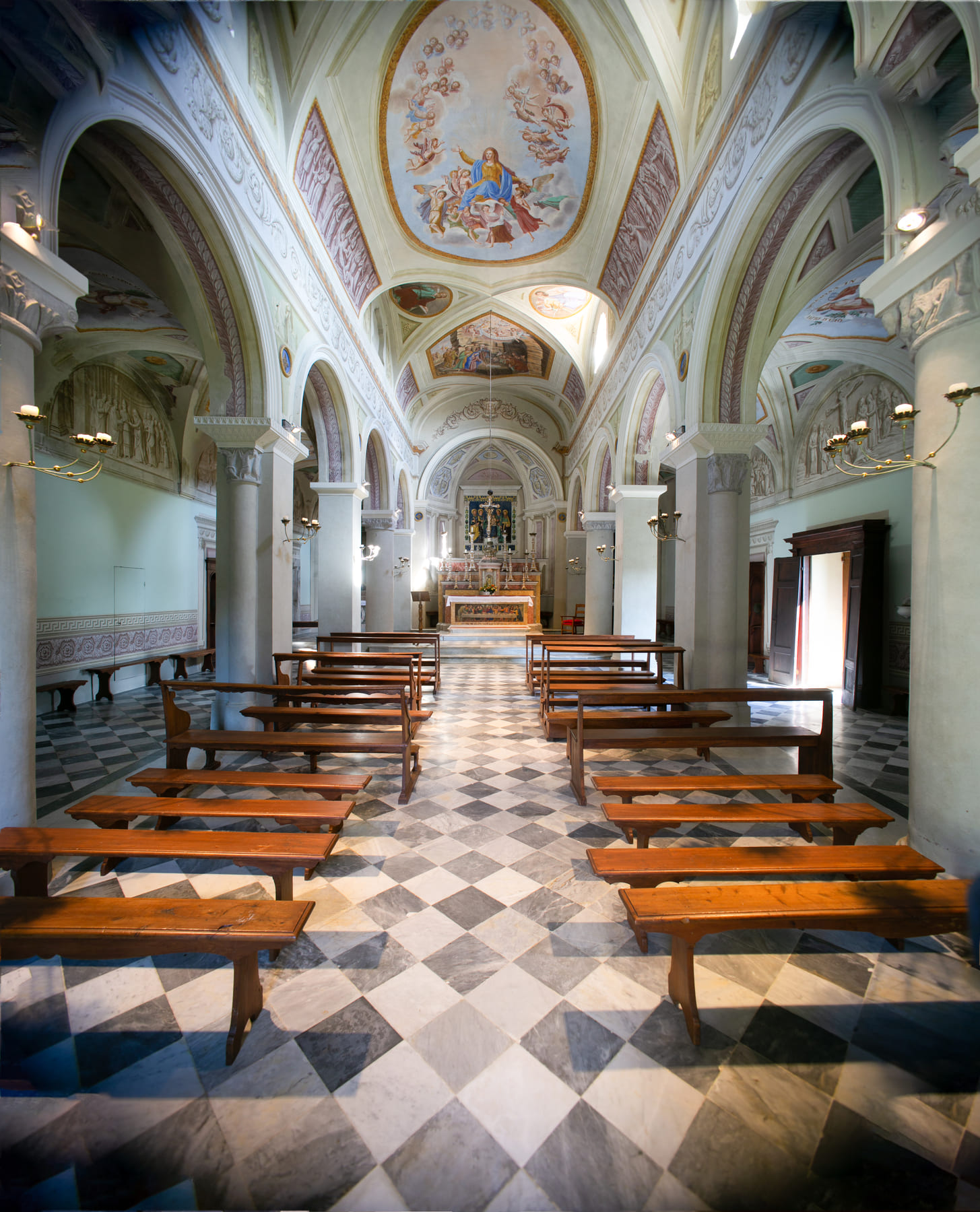
The first historical evidence is found in a parchment of 1010 preserved in the Abbey of San Lorenzo in Coltibuono, in that document it is called plebes Sanctae Mariae quae dicitur Novella – the term novella in the Middle Ages was used to indicate a new piece of cultivated land.
read more >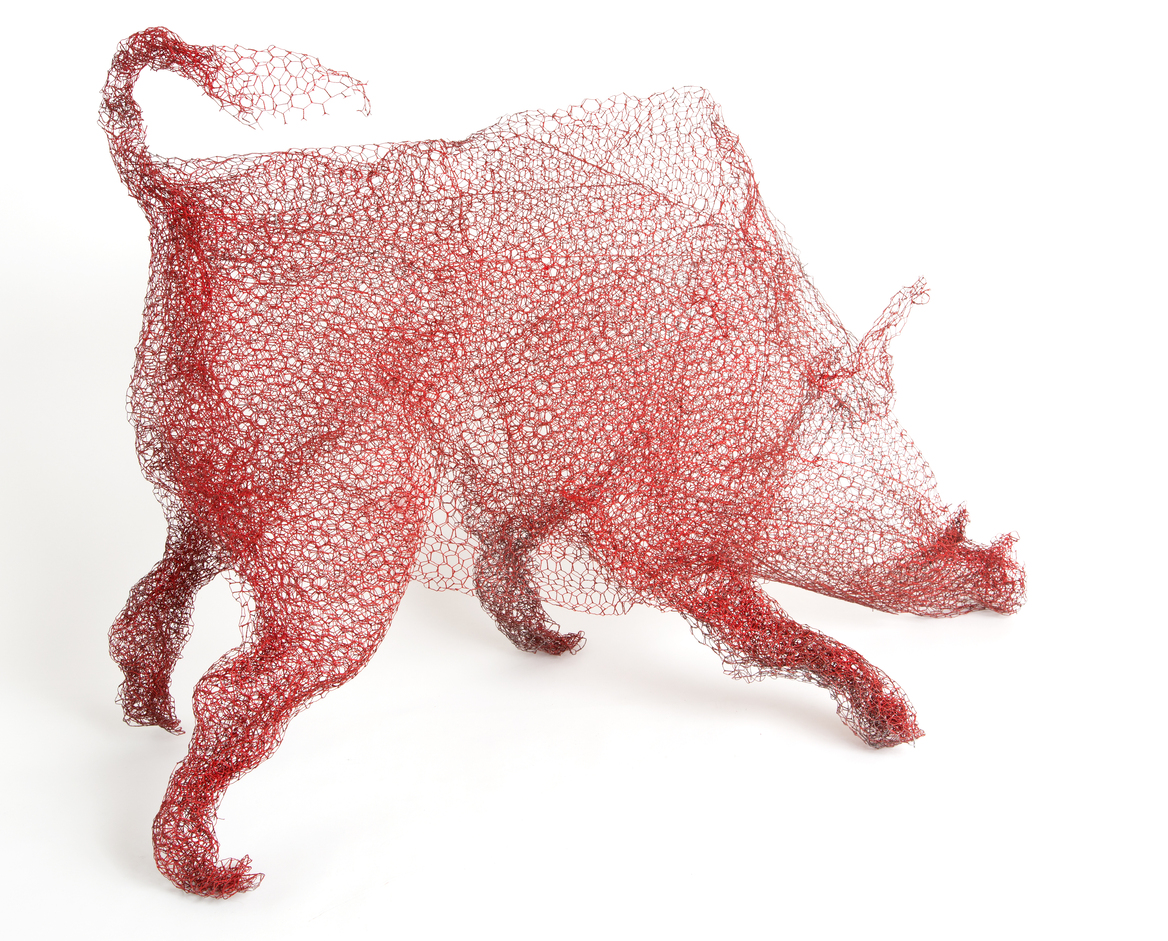
While the wire and kinetic sculptures of Alexander Calder and the works of Picasso have been stylistic influences, Antonio has a fascination for the animal world and the natural environment. He started his artistic career making abstract sculptures, but today his creatures include familiar beasts, such as wild boar and deer, dogs, and cattle, but also more exotic rhinoceros and crocodiles. His sculptures are often made of found and recycled materials, which led him to the concept of “land art”. For these installations, Antonio finds a spot in the mountains or countryside and constructs a sculpture from the natural materials he finds on the site.
read more >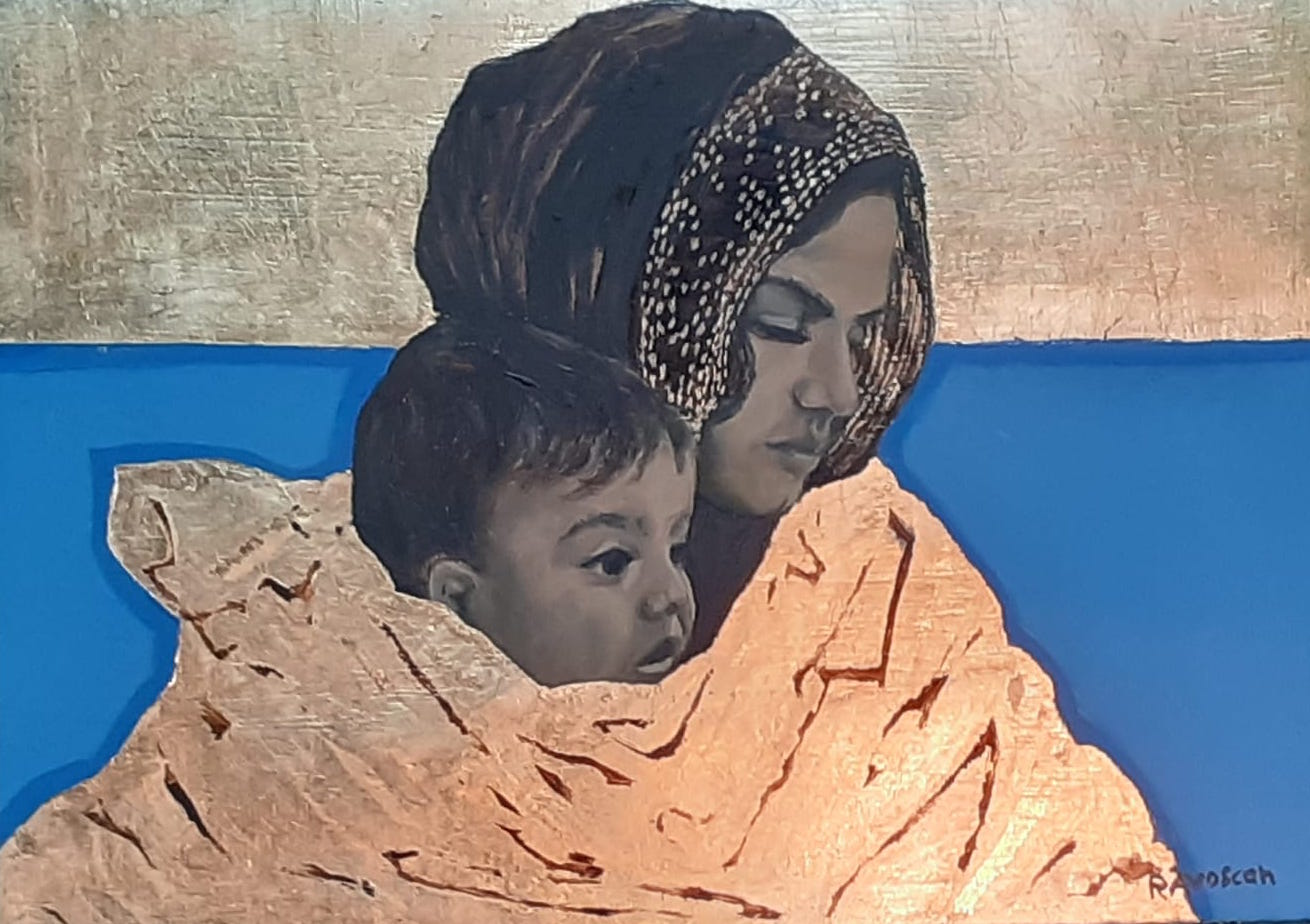
Rosy’s art is particularly attuned to the twin themes of social justice and the plight of refugees fleeing from war-torn countries to find a new life. Her goal is to communicate, educate and change perceptions through her art, and her works demonstrate this compassion and empathy. Her mixed media work “Honorum” expresses just this, and is a personal way of honoring the lives of the many refugee children who have drowned in the Mediterranean Sea.
read more >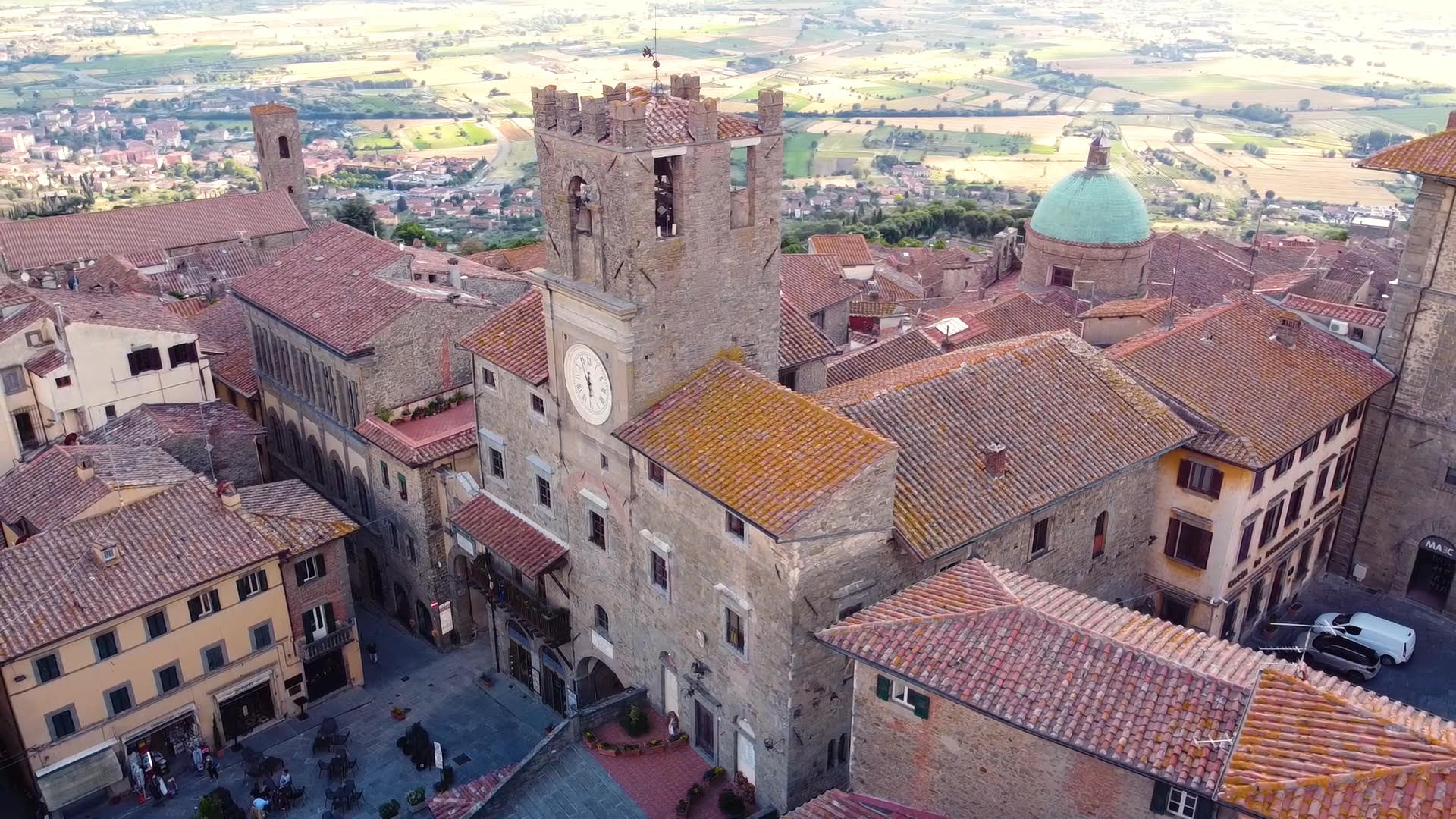
Since this February, the Etruscan city has featured a new high-speed connection with the large cities of Northern Italy. The “Frecciarossa” train allows one to move between Milan and our train station in three hours and this will make visiting the city’s splendors even easier and more comfortable. The health situation is still in a difficult moment, but the city administration, together with cultural and tourism operators, has prepared a program of events to be held with complete safety in mind. There are also a series of packages that foresee the possibility to “find refuge” together with family members in one of the fine accommodation facilities in the area. Cortona is a small center, with a big heart and with a vast and varied territory – from mountains to gentle hills, down to the valley where some of the most interesting gastronomic wonders of Tuscany are produced. Already, starting this Spring, in accordance with actual health conditions, exhibitions will be prepared, and the first events of the season brought into being. The idea of choosing Cortona for your “safe harbor” away from life in the big cities is beginning to gain ground as a lifestyle choice post-Covid 19. Already a significant number of professional people have decided to spend a part of their time here, as they continue remote working.
read more >