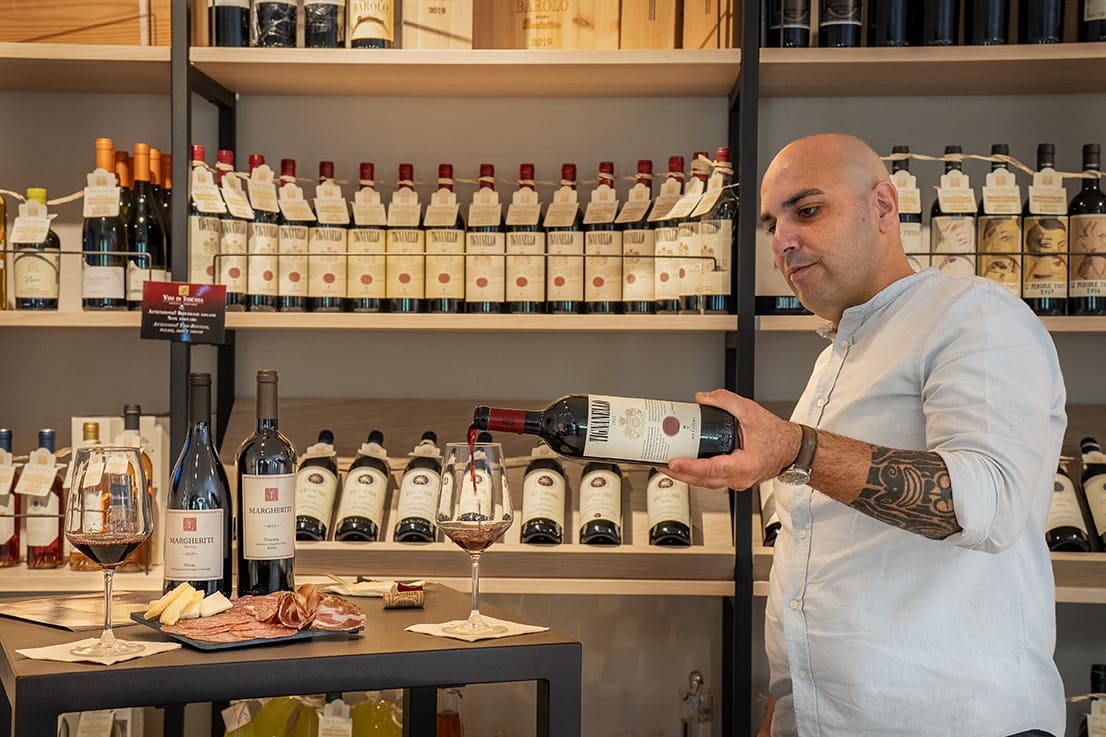
Enoteca Vini di Toscana has been able to anticipate the times, structuring a wine investment model that promises an annual return of up to 10 percent.
read more >Category: Valdichiana and Lago Trasimeno
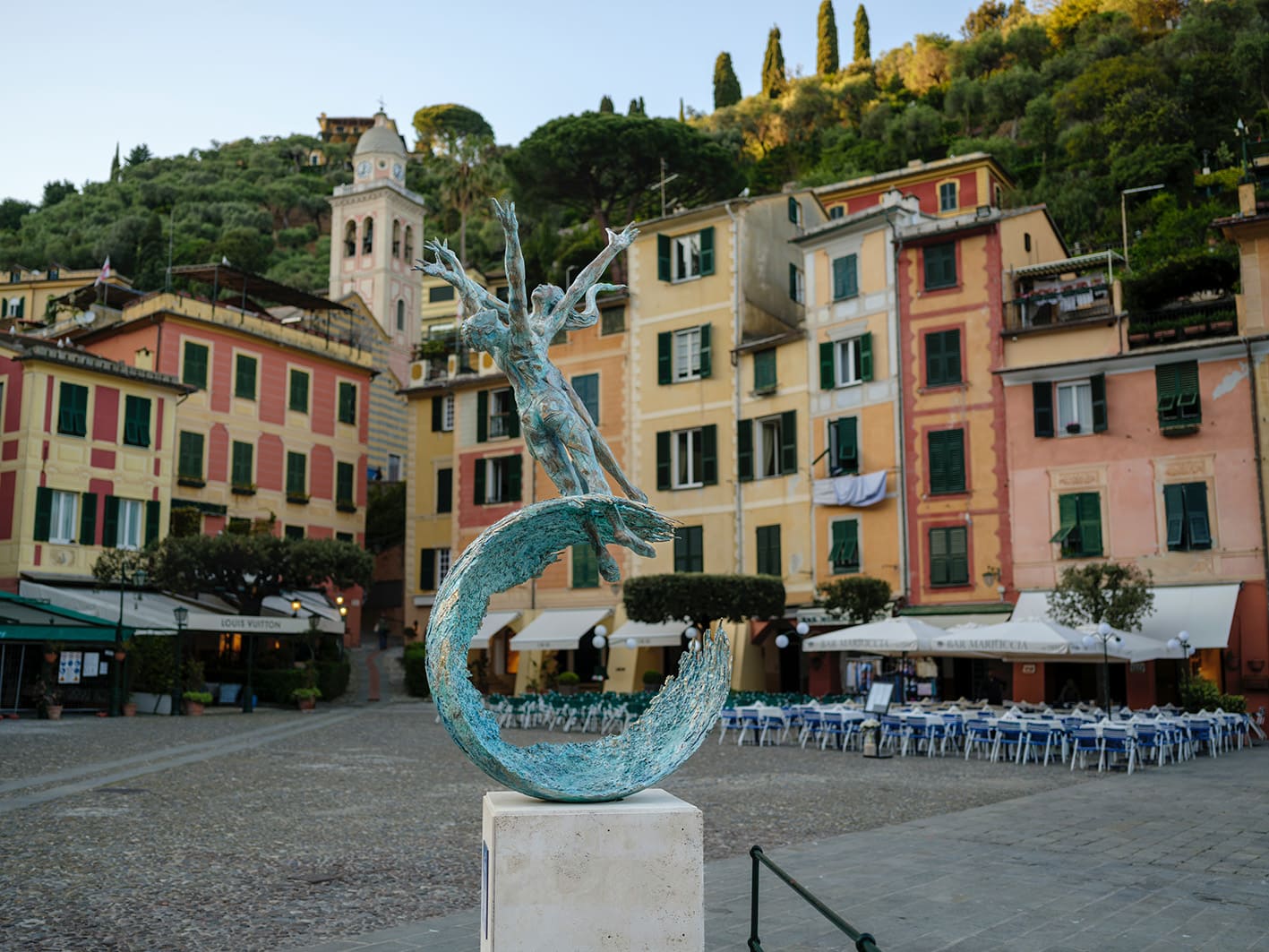
This is not a simple succession of events, but a unified narrative that connects diverse works, landscapes, and cultural contexts, all linked by the theme of the energy of life, the artist’s symbolic signature, and the guiding thread of his research.
read more >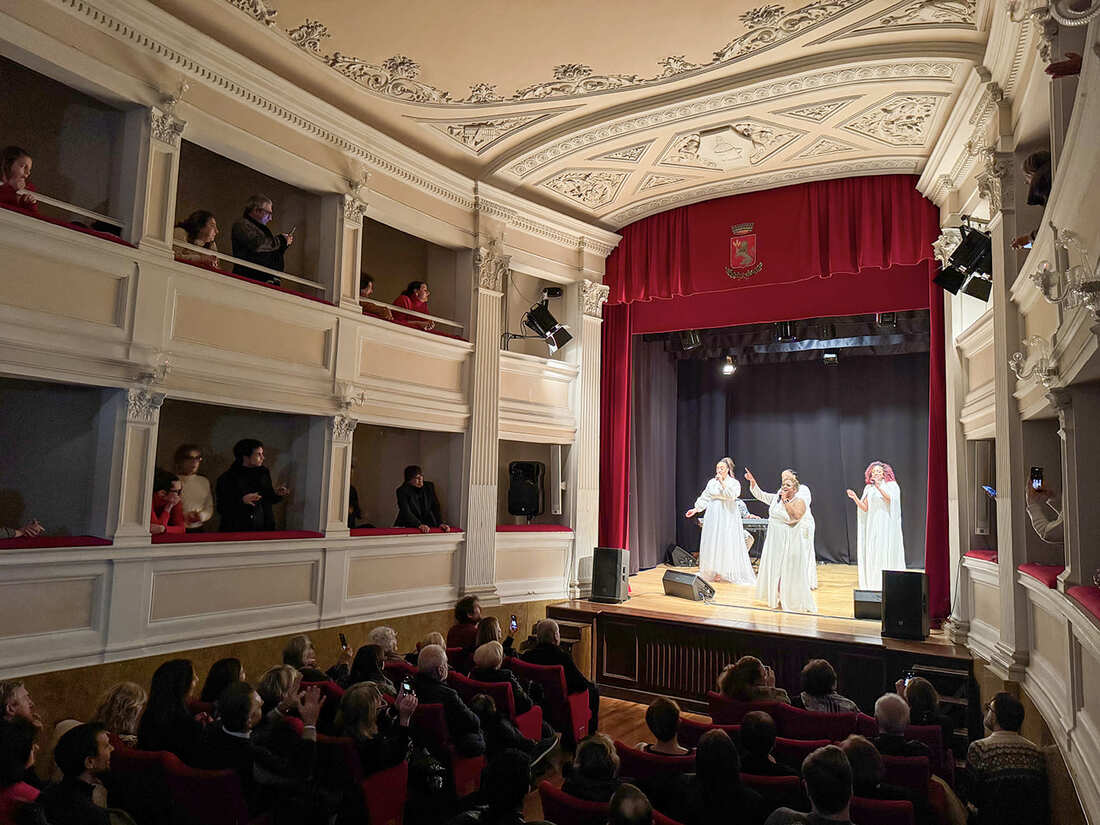
he commitment to public works in the tertiary sector continues, to which the administration has allocated significant resources for the safety and expansion of school buildings
read more >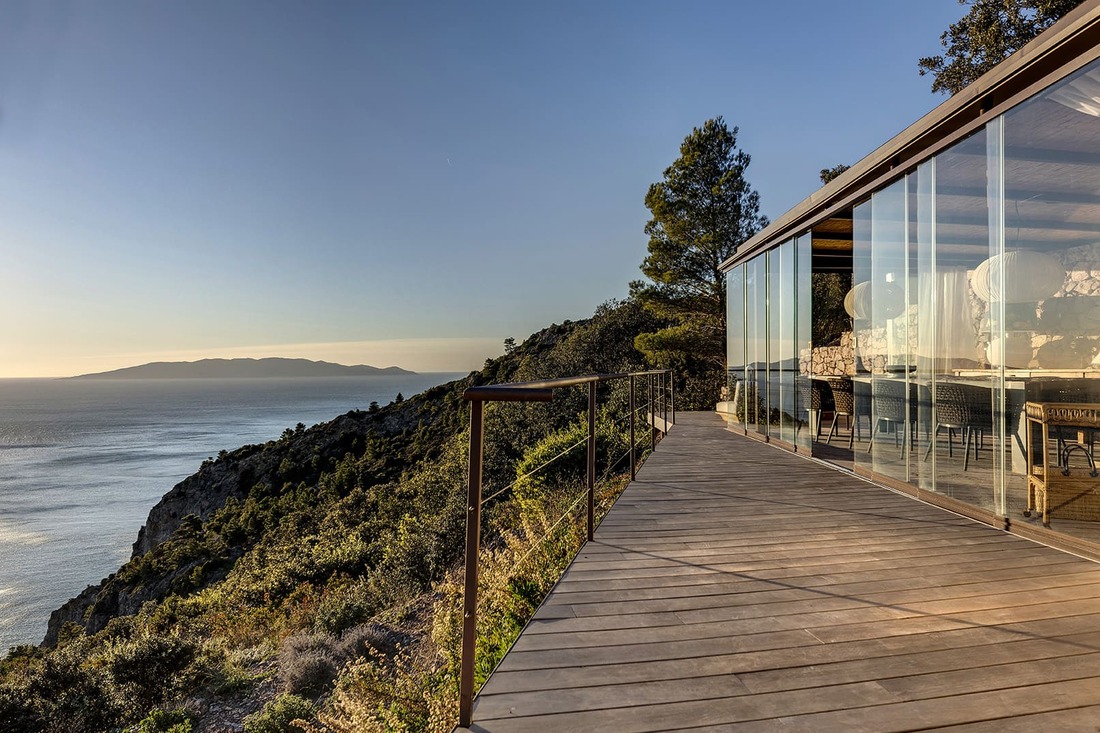
a new concept for a seaside residence, designed as a system of connections between spaces and unique views
read more >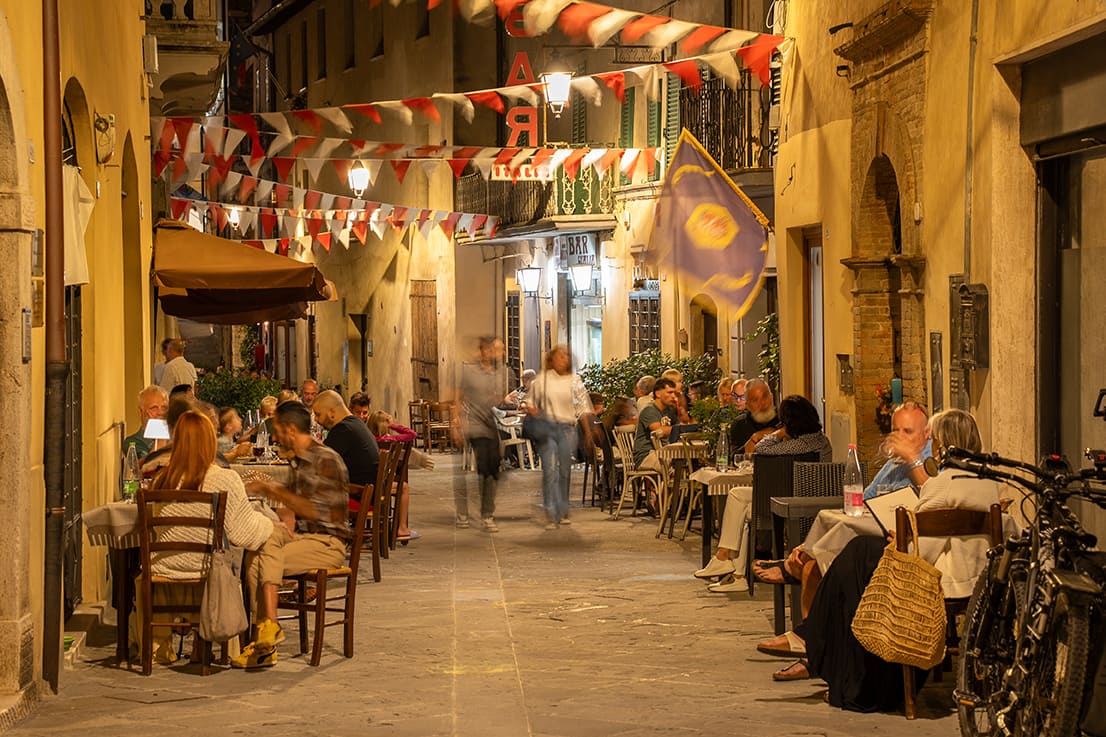
The link between food, traditions and society is nothing short of indissoluble, even more so in a trattoria like Tripolitania that has more than a century of history behind it
read more >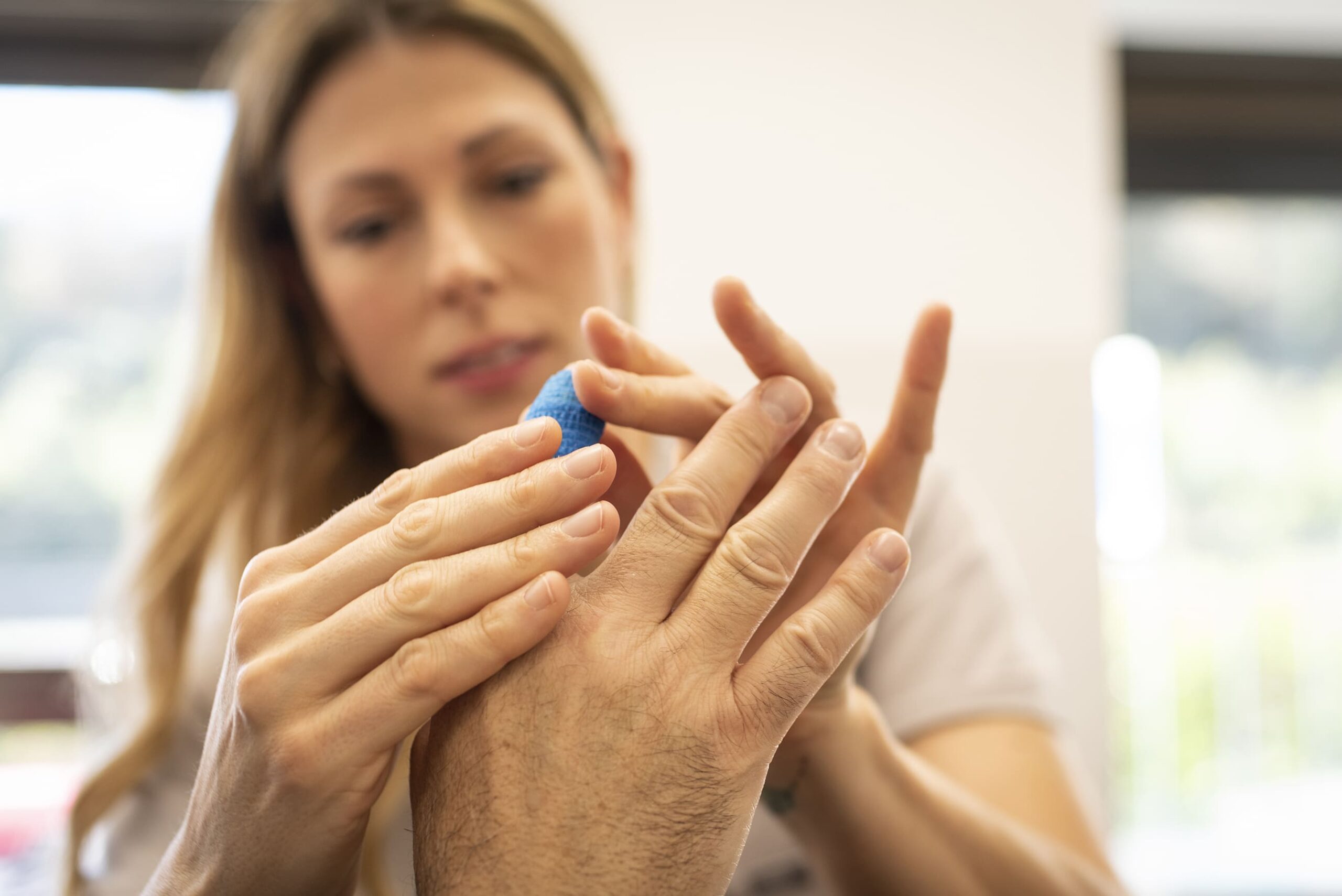
Our physiotherapists Giulia Pompili and Celeste Magara explain the best approach to deal with the problem.
read more >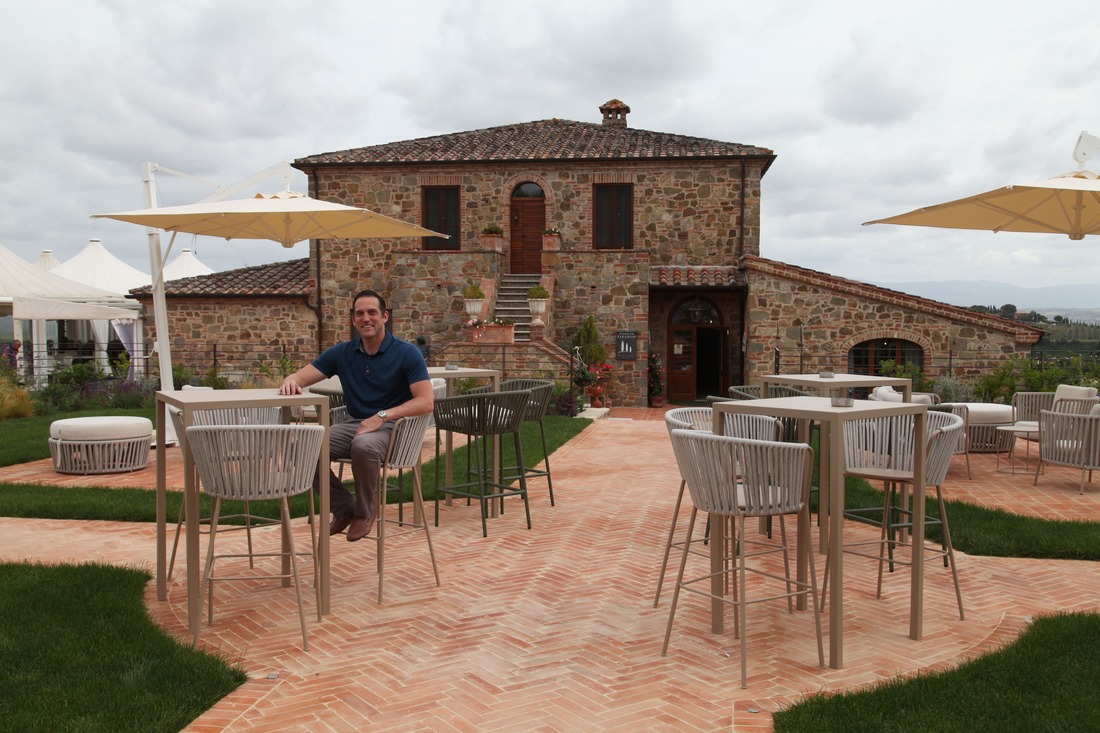
On the hills that draw the contours of Torrita di Siena, where the horizon seems painted by the skilful hand of a Renaissance master, Poggio Paradiso Resort & Spa embodies the most authentic essence of international quiet luxury.
read more >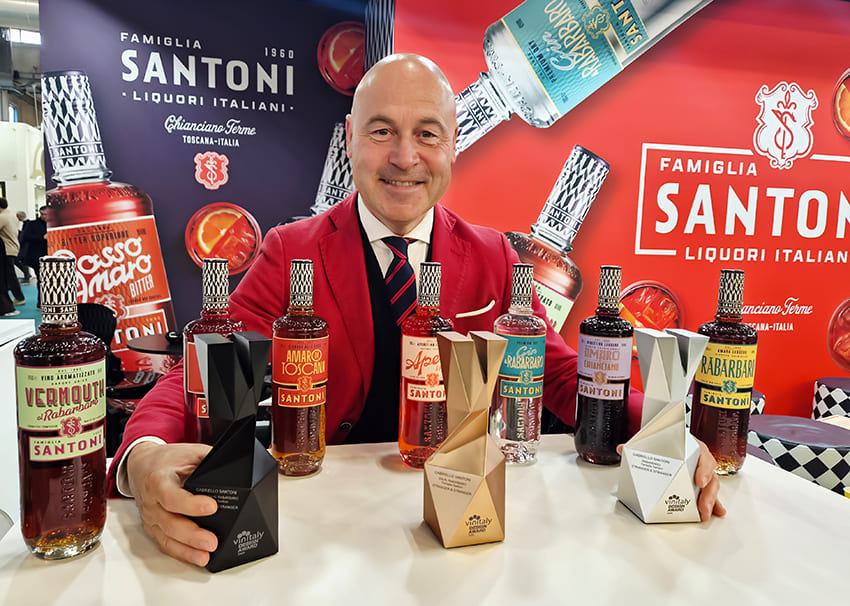
The history of the Santoni Distillery began in 1960 thanks to the vision of Gabriello Santoni.
read more >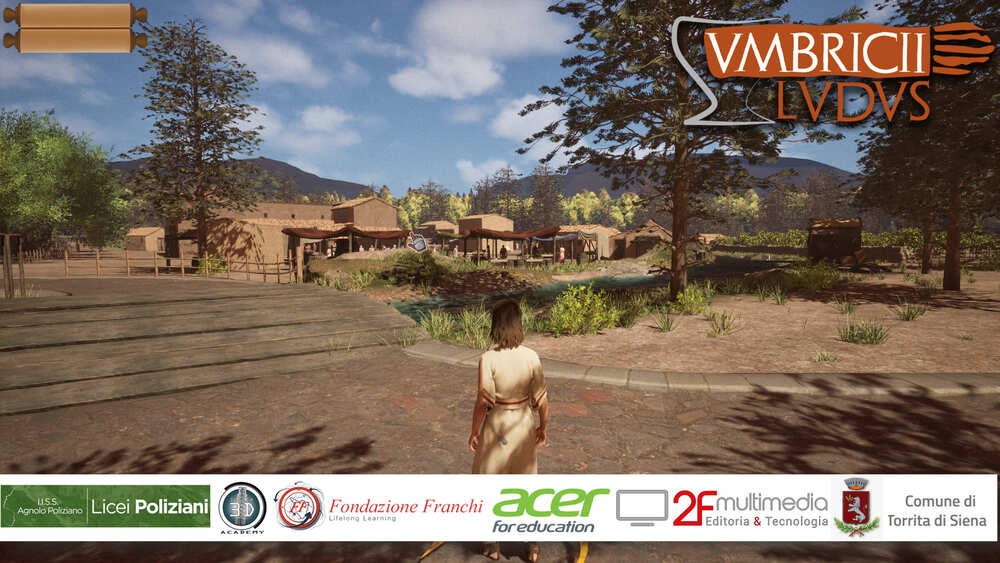
The museum will be housed in Via Roma, on the ground floor of the municipal building of the Edmondo de Amicis Schools and has been designed as a civic garrison of archaeological memory, a documentation centre of the territory and, in particular, a place of dialogue between scientific research and the community.
read more >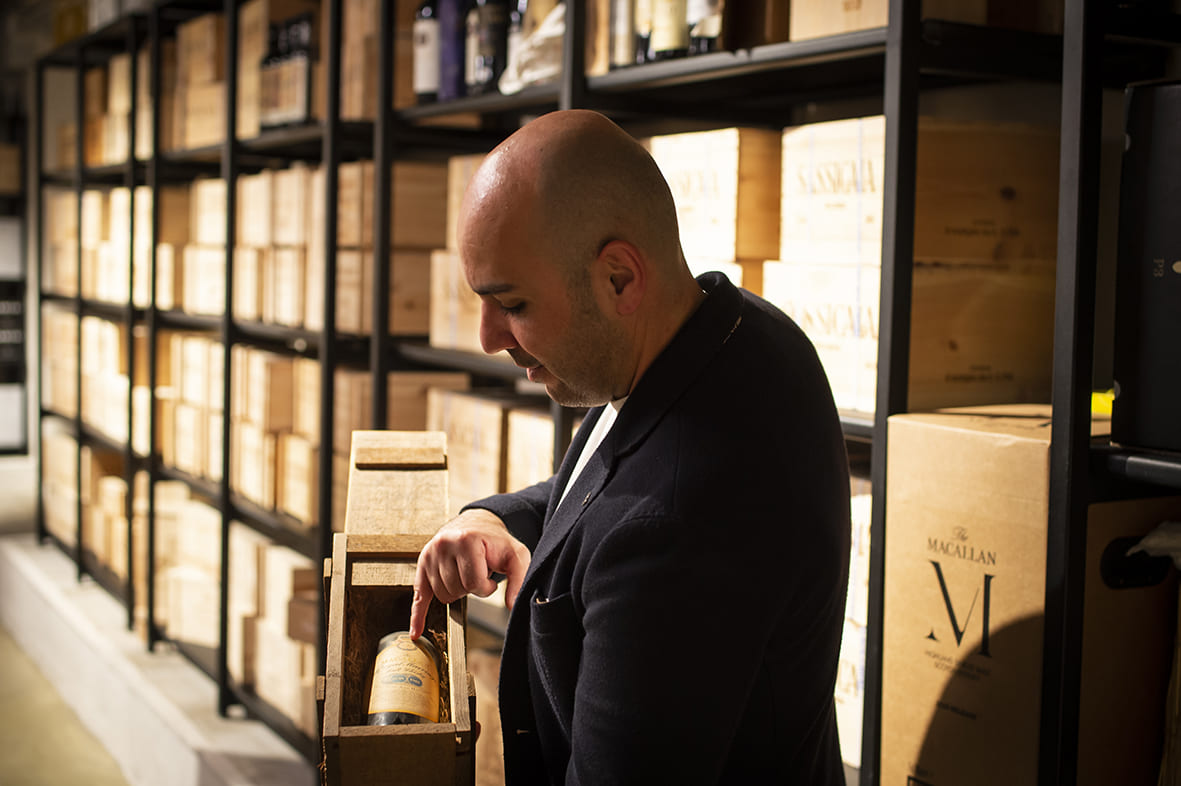
Montepulciano is not only a village of rare architectural beauty, but also the cradle of Vino Nobile, the first DOCG in Italy, a nectar that already in the Renaissance delighted the palates of popes and prestigious families
read more >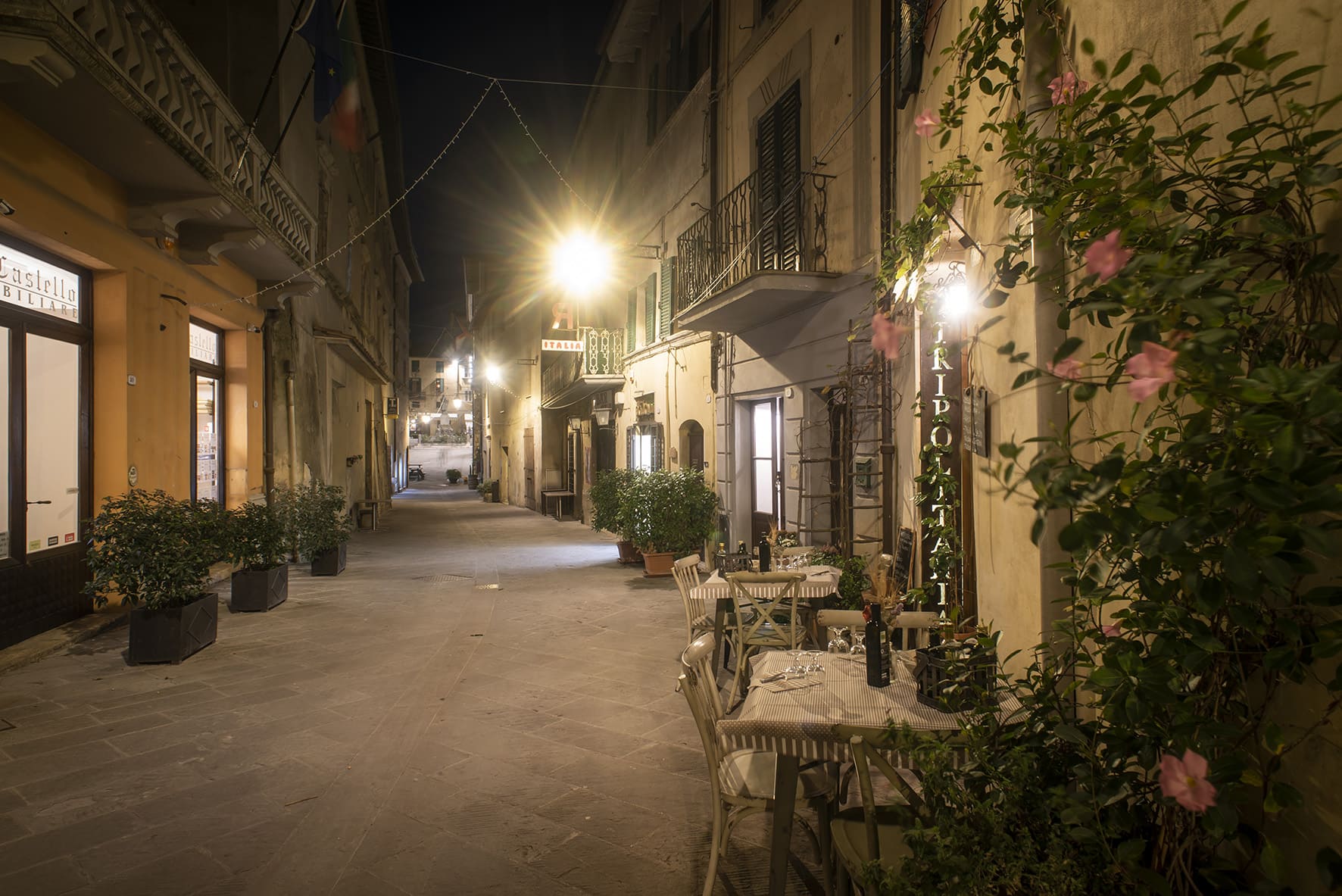
Summer is shaping up to be crackling for the oldest trattoria in the town.
read more >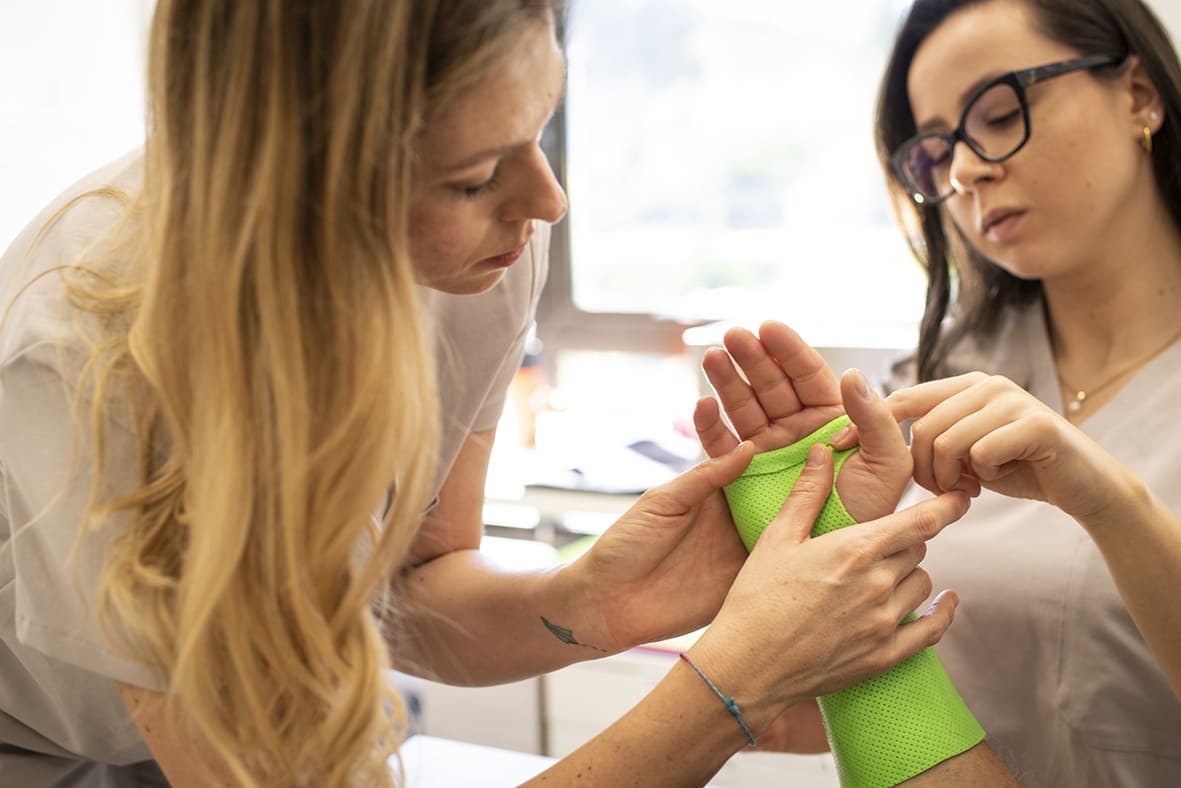
The incidence of fractures in the upper limbs is high both in the elderly population, especially in women due to the greater presence of osteoporosis, and in young subjects following high-energy trauma or sports activities
read more >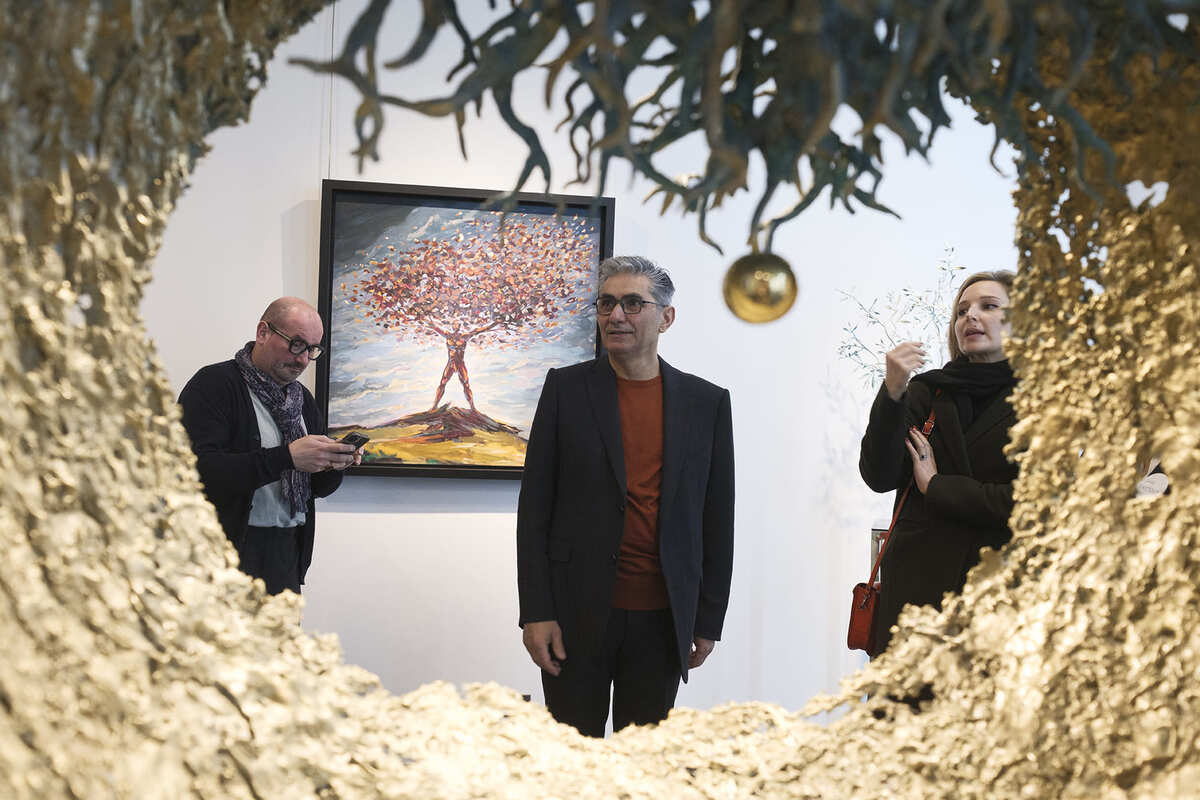
Among the most significant projects is “Mare Nostrum” in Liguria, created in collaboration with the Ravagnan Gallery, which will host the Master’s sculptures in four Ligurian municipalities: Genoa, Portofino, Alassio and Sanremo. The project develops along the coasts of the region, creating a direct dialogue between art, sea and landscape.
read more >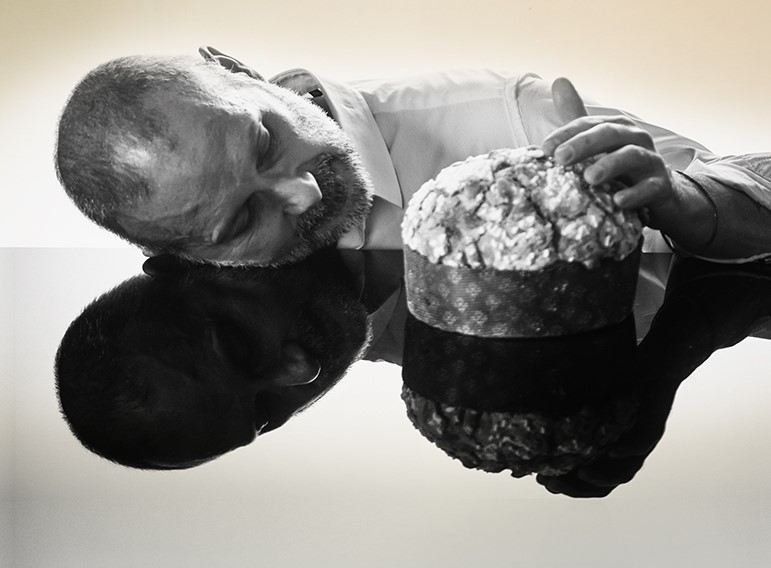
At the Enoteca Meucci they are already working on Christmas and the preparation of baskets for companies and individuals with wines and local products, but also with self-produced pastries, which in addition to panettone includes panforte, ricciarelli, cantucci, zuccherini and ‘mbriachelli’, prepared with wine, sugar and cinnamon.
read more >
Walking through the historic centre of Montepulciano is like flipping through the pages of a story that spans centuries of history. At every glance, in fact, the precious testimonies of that cultural liveliness that has made the town of Poliziano one of the most sought-after destinations in Tuscany open up to the view.
read more >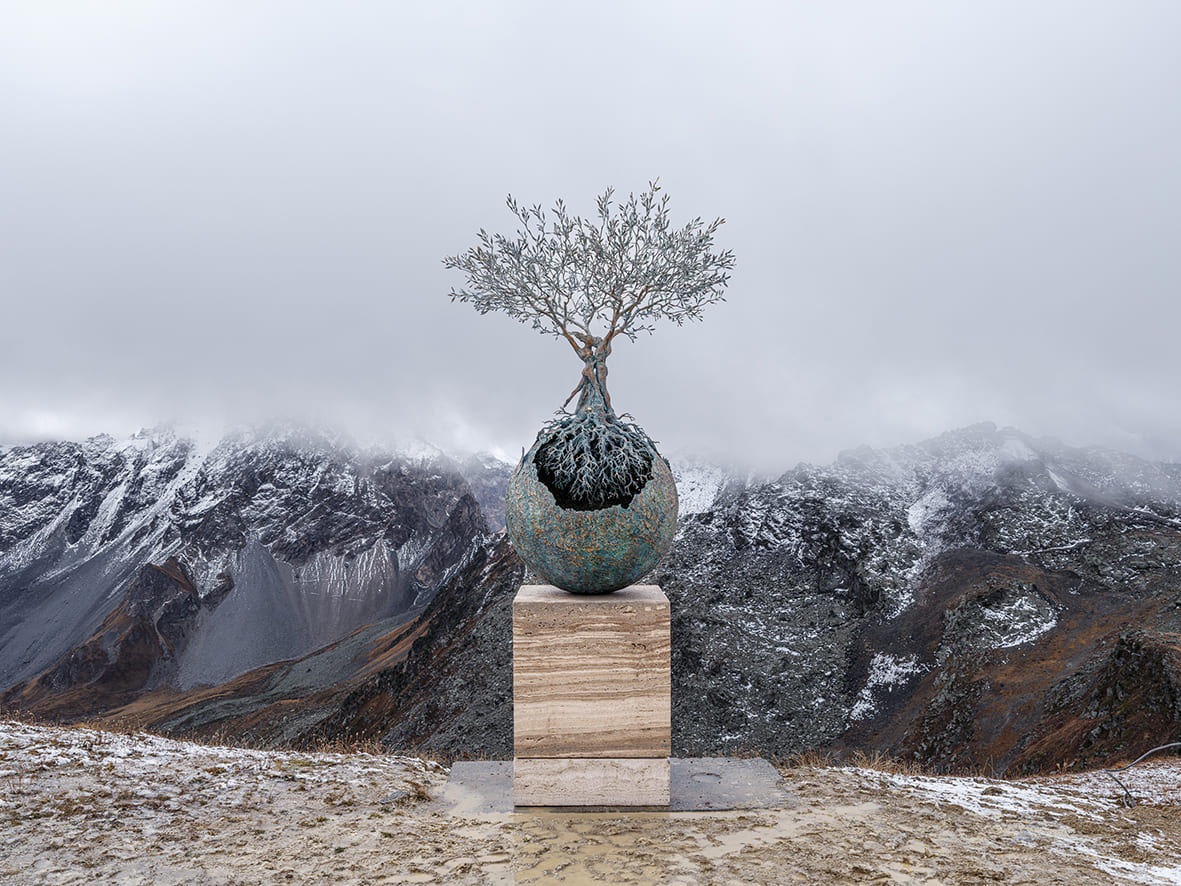
We have built an intense path between Italy and Europe, with installations and solo shows that have given continuity to a message that is now recognizable: telling the story of life, energy, roots and the tension towards the future through works that dialogue deeply with places and people.
read more >