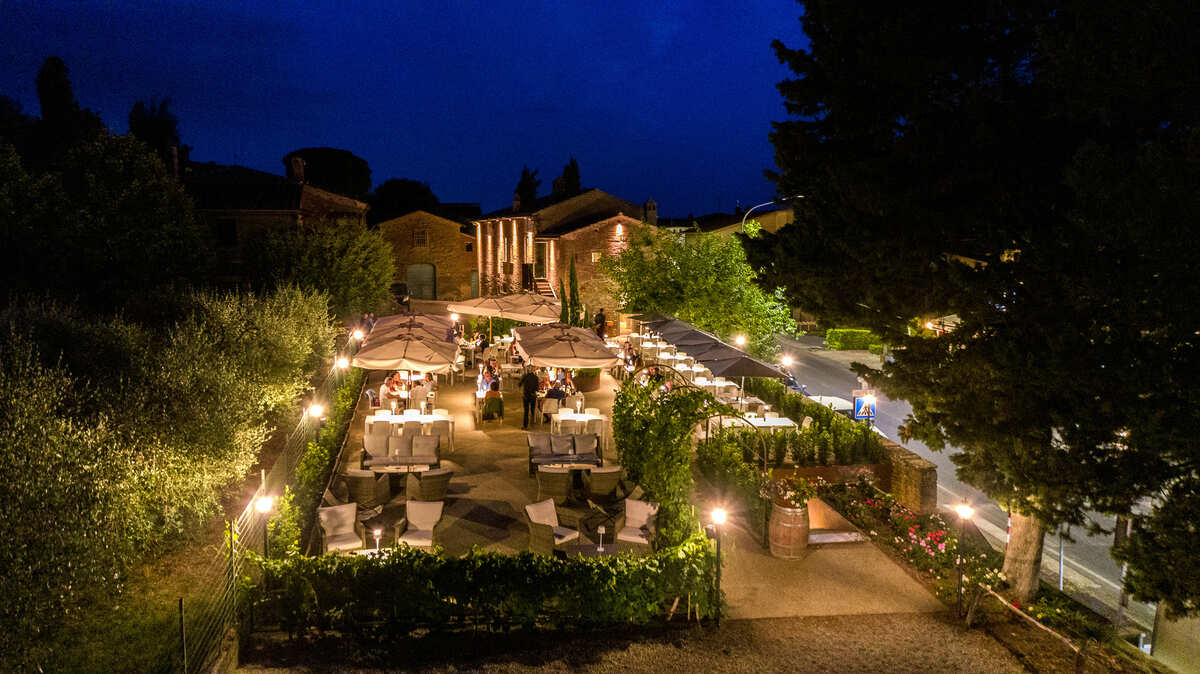
You don’t need to love wine to be enchanted: when you enter the Enoteca Meucci, you realize that the precious and ancient drink brings with it something more ancient and magical, perhaps due to the millenary tradition and legends, or perhaps just to the passion and dedication of those who often devote their entire lives to its production.
read more >Author: Valdichiana
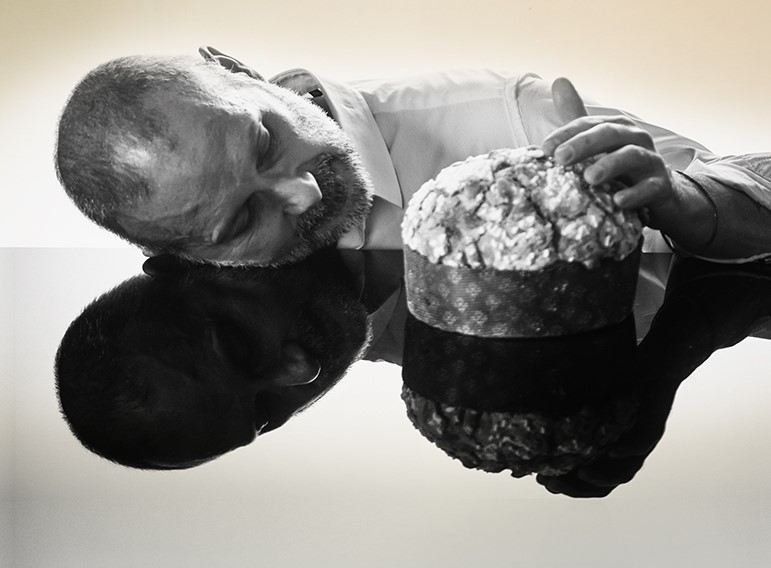
At the Enoteca Meucci they are already working on Christmas and the preparation of baskets for companies and individuals with wines and local products, but also with self-produced pastries, which in addition to panettone includes panforte, ricciarelli, cantucci, zuccherini and ‘mbriachelli’, prepared with wine, sugar and cinnamon.
read more >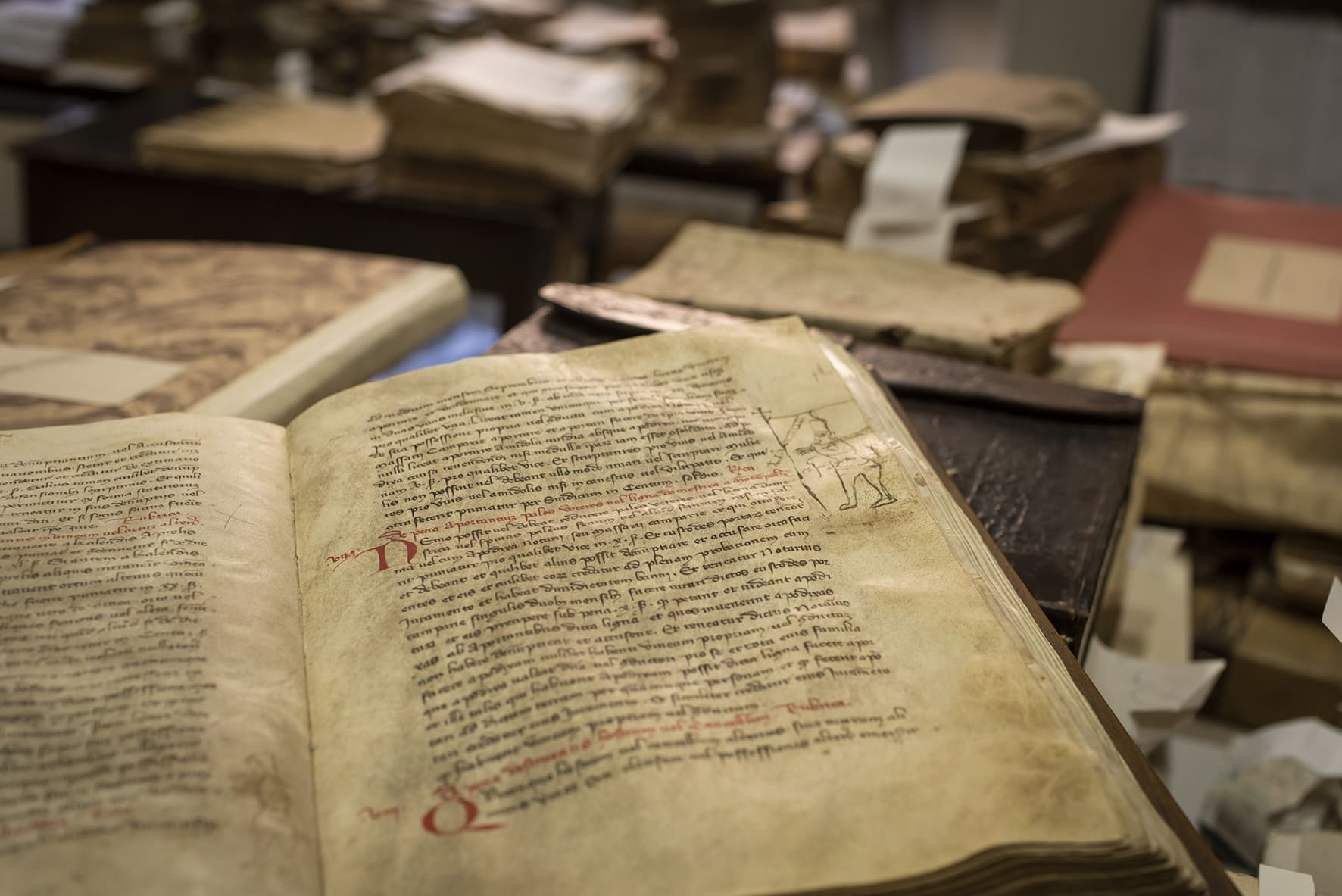
Walking through the historic centre of Montepulciano is like flipping through the pages of a story that spans centuries of history. At every glance, in fact, the precious testimonies of that cultural liveliness that has made the town of Poliziano one of the most sought-after destinations in Tuscany open up to the view.
read more >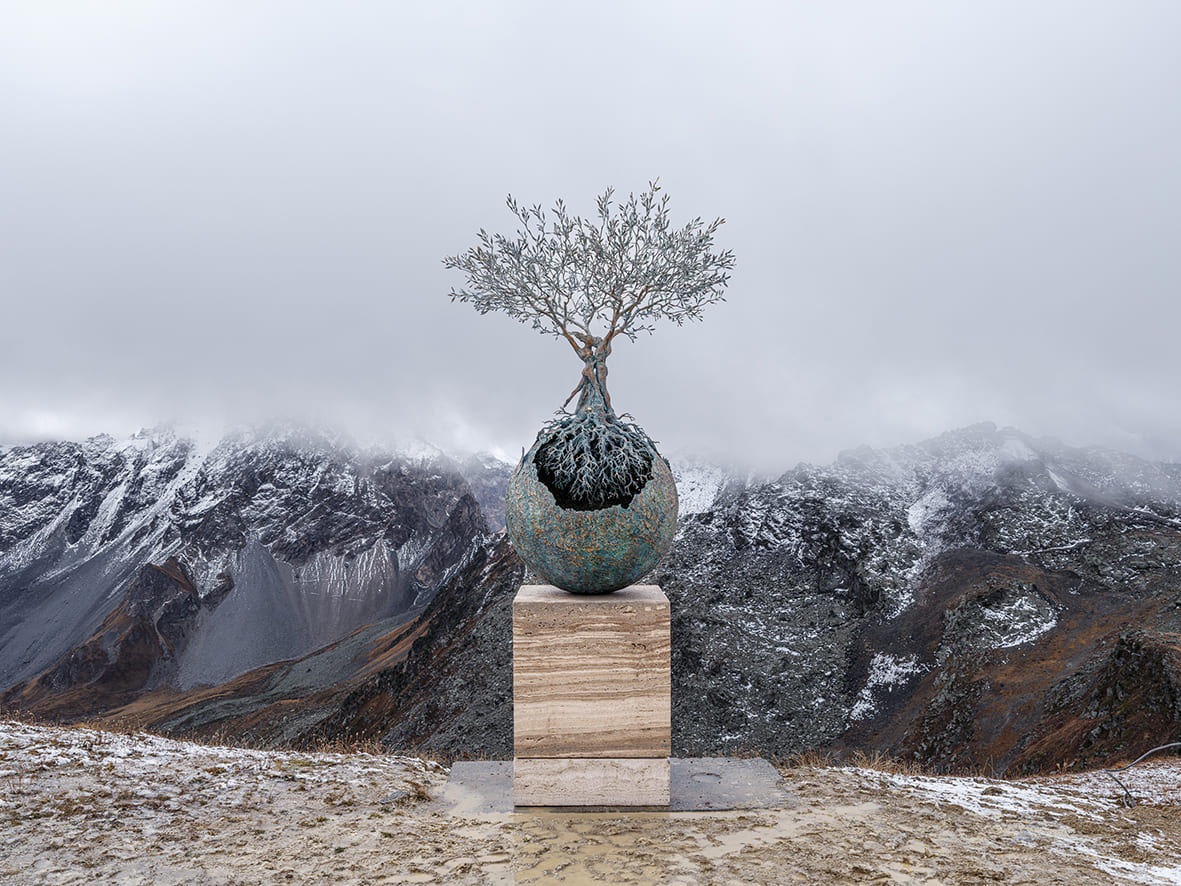
We have built an intense path between Italy and Europe, with installations and solo shows that have given continuity to a message that is now recognizable: telling the story of life, energy, roots and the tension towards the future through works that dialogue deeply with places and people.
read more >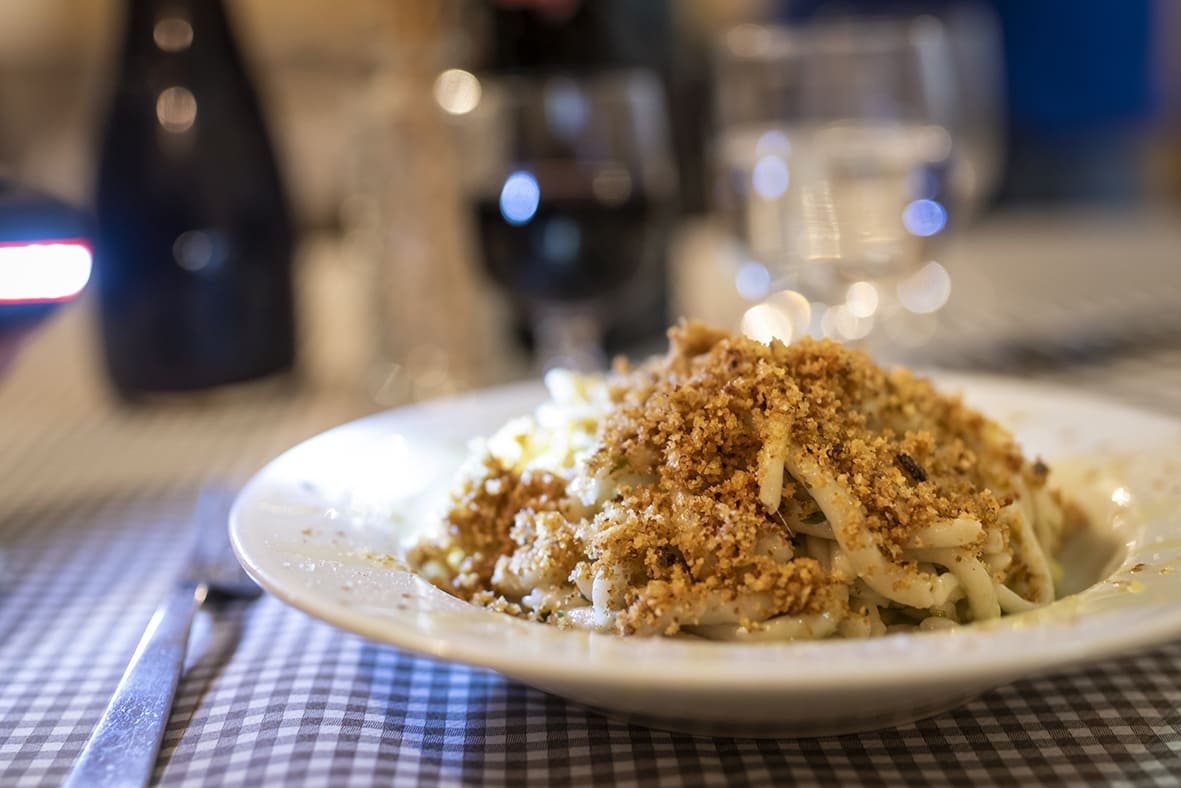
The people of Sarteano affectionately call it ‘Tripola’, and when in the last issue I spoke of it with emotion and affection, calling it ‘home’, I was referring to the family atmosphere that reigns within these ancient walls in the center of the town.
read more >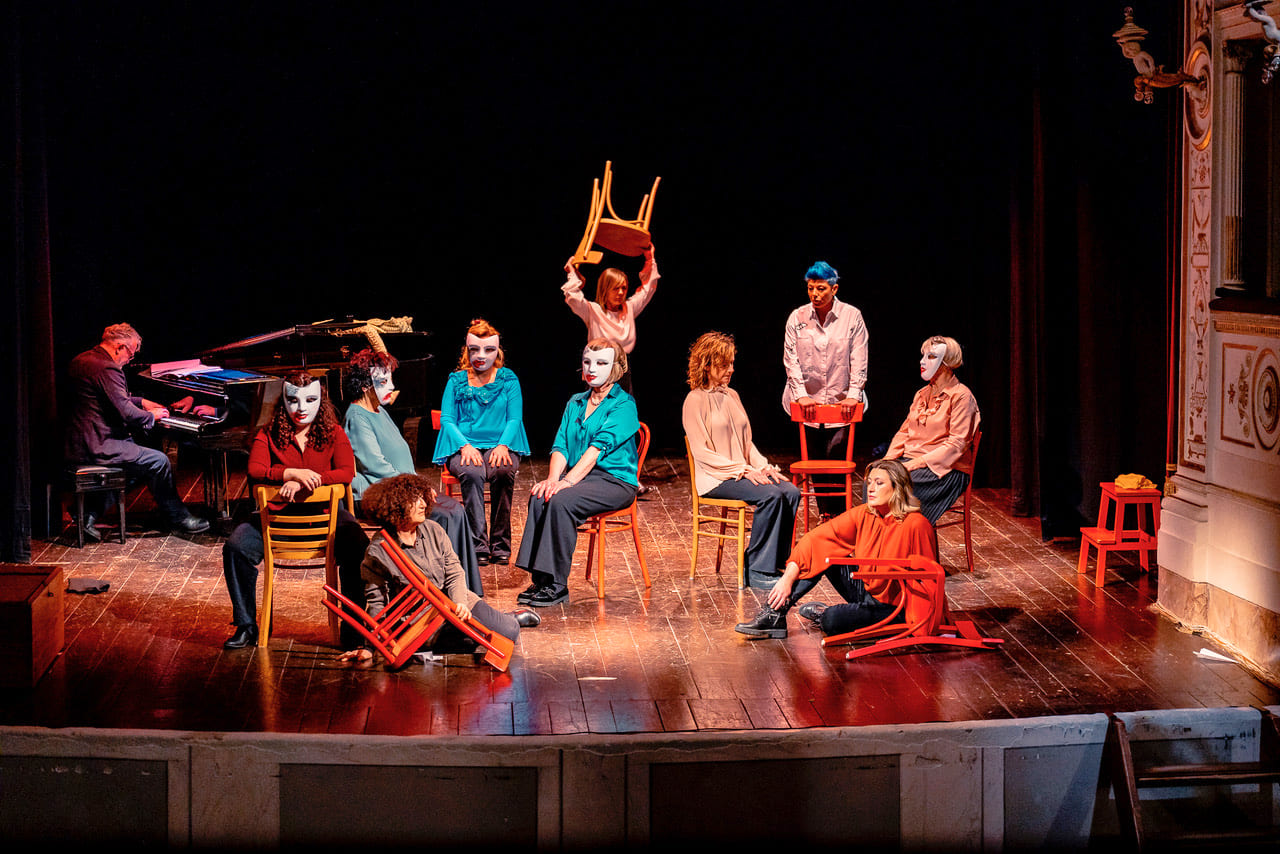
For the great Pirandello, theatre staged the contrast between inner life, drives and conventions in which the individual is forced to live. In ancient Greece, tragedy was considered a kind of ‘collective therapy’ that allowed liberation from negative emotions, creating a sense of peace.
read more >
Their names are Giulia Pompili and Celeste Magara and their welcoming smile strikes us immediately when we go to meet them in Siena, at the Igea Medical Center, one of the two where the young women work. The other is Studio Beside in Grosseto.
read more >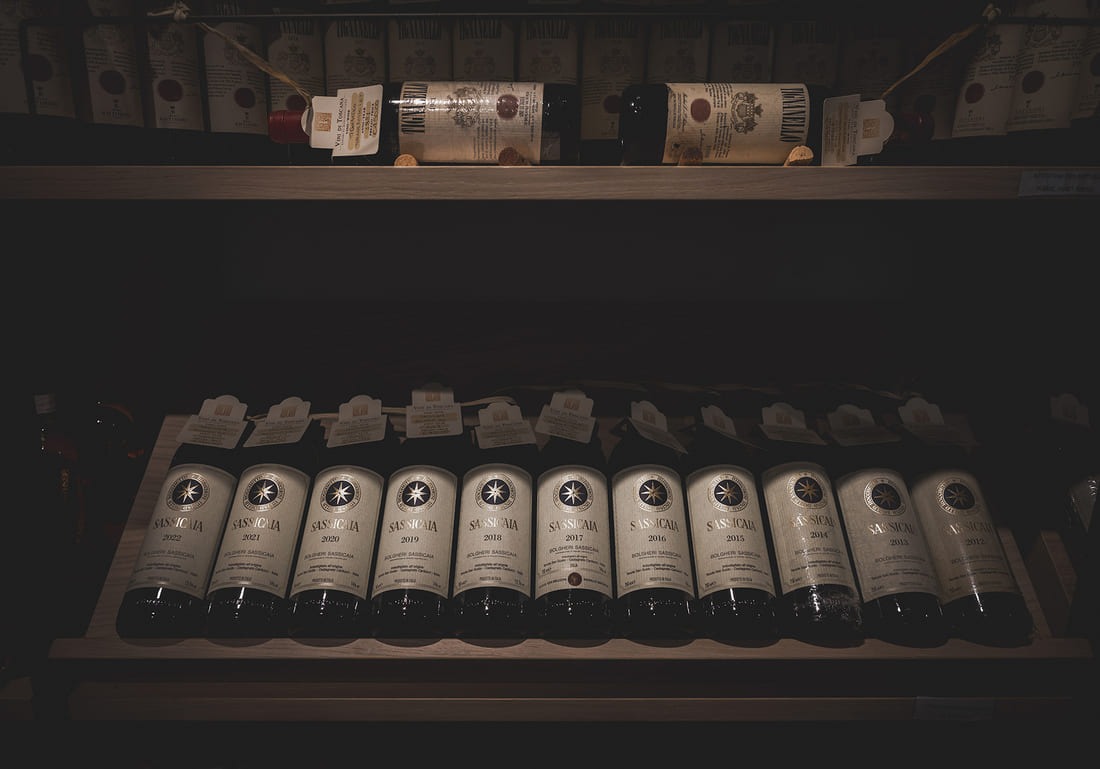
In Tuscany, wine is a tradition, a culture, a way of living and marking time and the seasons; but for some all this is declined into a real passion. This is the case of Alberto Margheriti, who has been able to wisely transfuse his great love into the “Vini di Toscana” brand, a chain of elegant and well-stocked wine bars that aim to tell and enhance the most authentic soul of our region.
read more >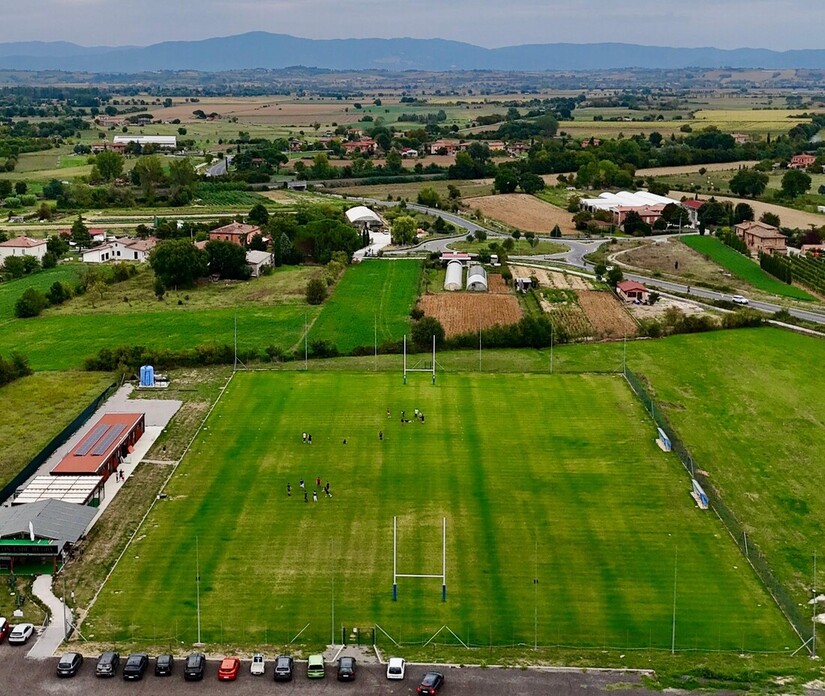
Music and artistic activities are essential for the cohesion of the city. In this regard, the works of the “School of Music” came to an end.
read more >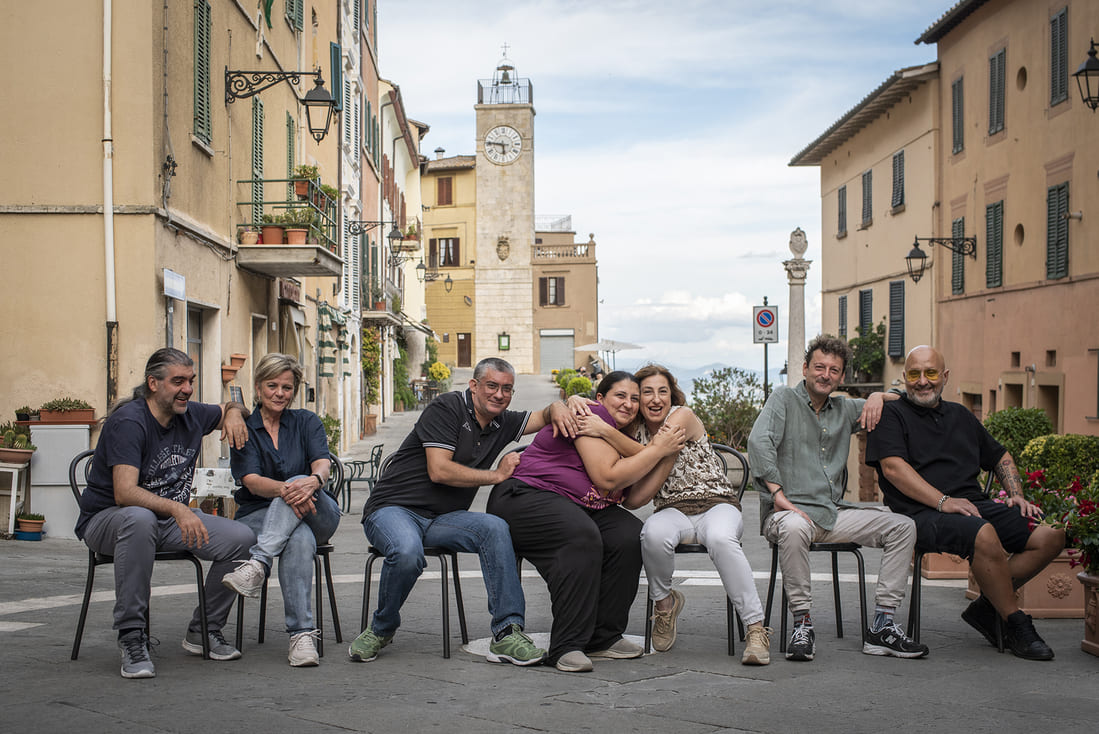
These are the owners of the bar and restaurant businesses Bradi Toscani, Caffè Centrale, Il RitroVino, La Torretta, Pasticceria Centro Storico and Torotosco, six businesses in the same sector, but with different offers and styles, all based on excellence.
read more >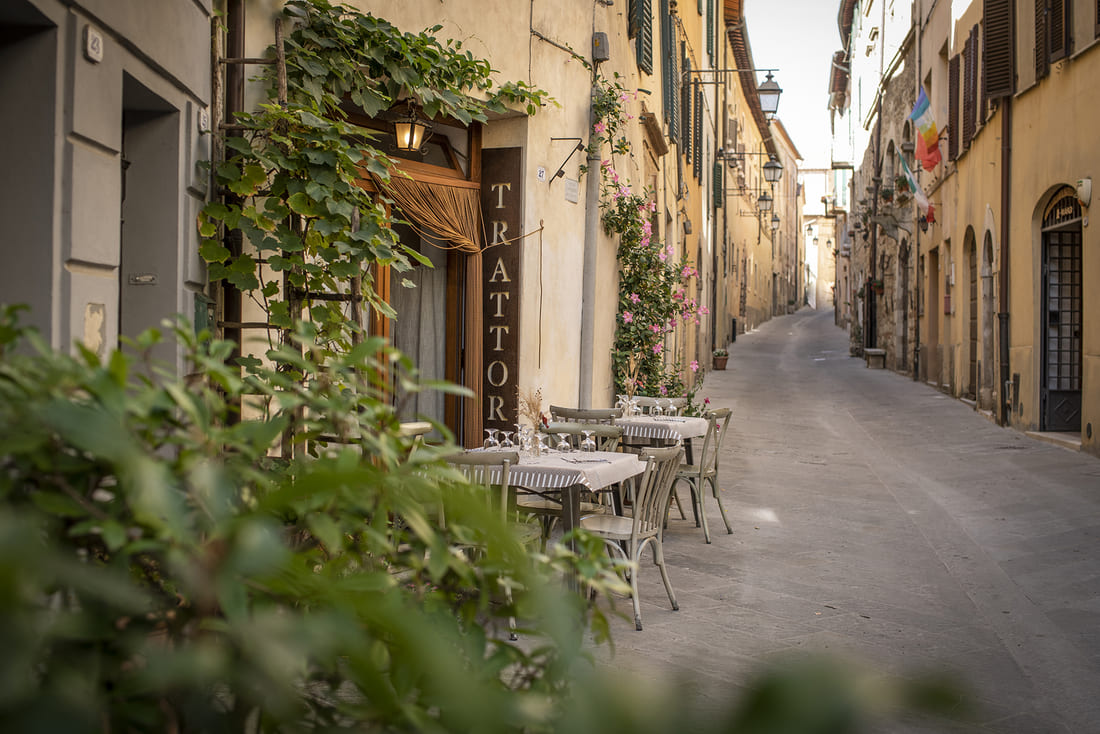
The dishes that represented the milestone of the ancient cuisine have all remained, from ‘pici all’aglione and tomato sauce’ (in Sarteano the sauce is called “sugo”, ed.) to roast beef, from meatloaf to tripe, from cod to tiramisu.
read more >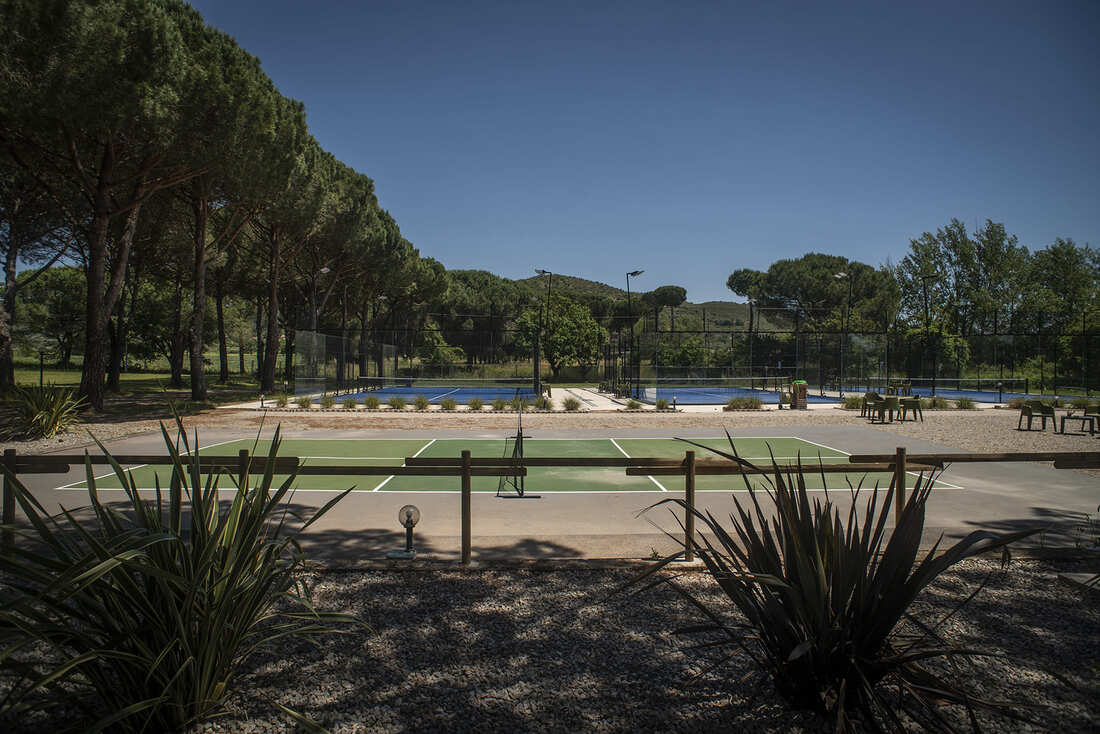
Gaming or sports? That is the question. We address it without too much ado to Andrea Fratini on a late summer afternoon, meeting him in Chiusi Scalo, where right next to the Palazzetto dello Sport we find two fields dedicated to this activity and a smaller one for lessons.
read more >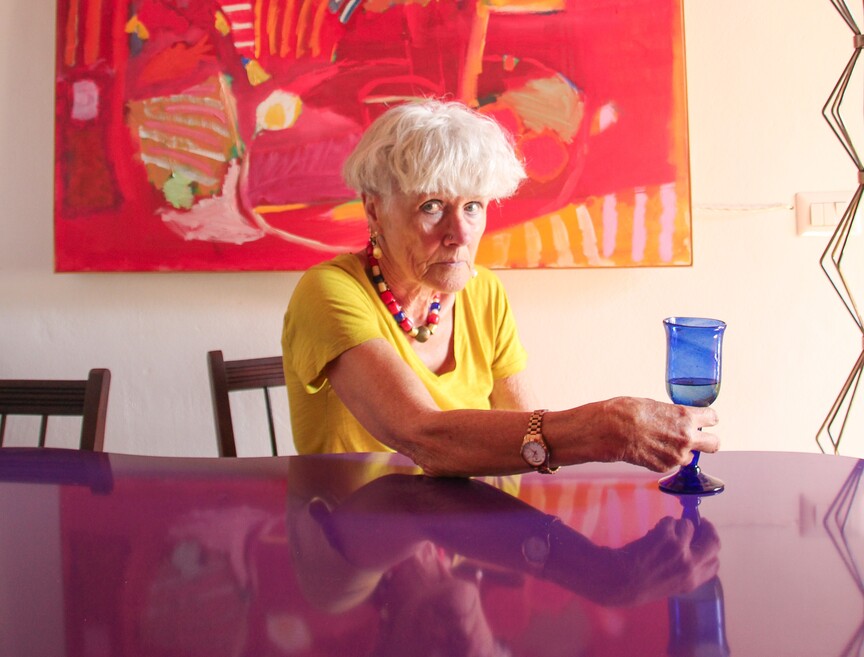
Jutta was born in Coblenz in the Rhineland in Germany during the War, and went to study art and design in Dusseldorf. She had always dreamed of leaving Germany to travel, and spent a year abroad studying and working in Rome. When, after 6 years of art school, the possibility to spend a period in South Africa working for a textile company presented itself, the young Jutta jumped at the opportunity.
read more >
Bruno and Marisella Batinti, after several productive years of hospitality experience with their business “Le Torri di Porsenna” (named for Chiusi’s ancient and powerful Etruscan king) found a new and inspiring site for their country house in Petrignano del Lago, in the Comune of Castiglione del Lago. Overlooking the rolling hills and vineyards near to Lake Trasimeno, the new location for their country house and working vineyard is well named, as it is certainly fit for a king.
read more >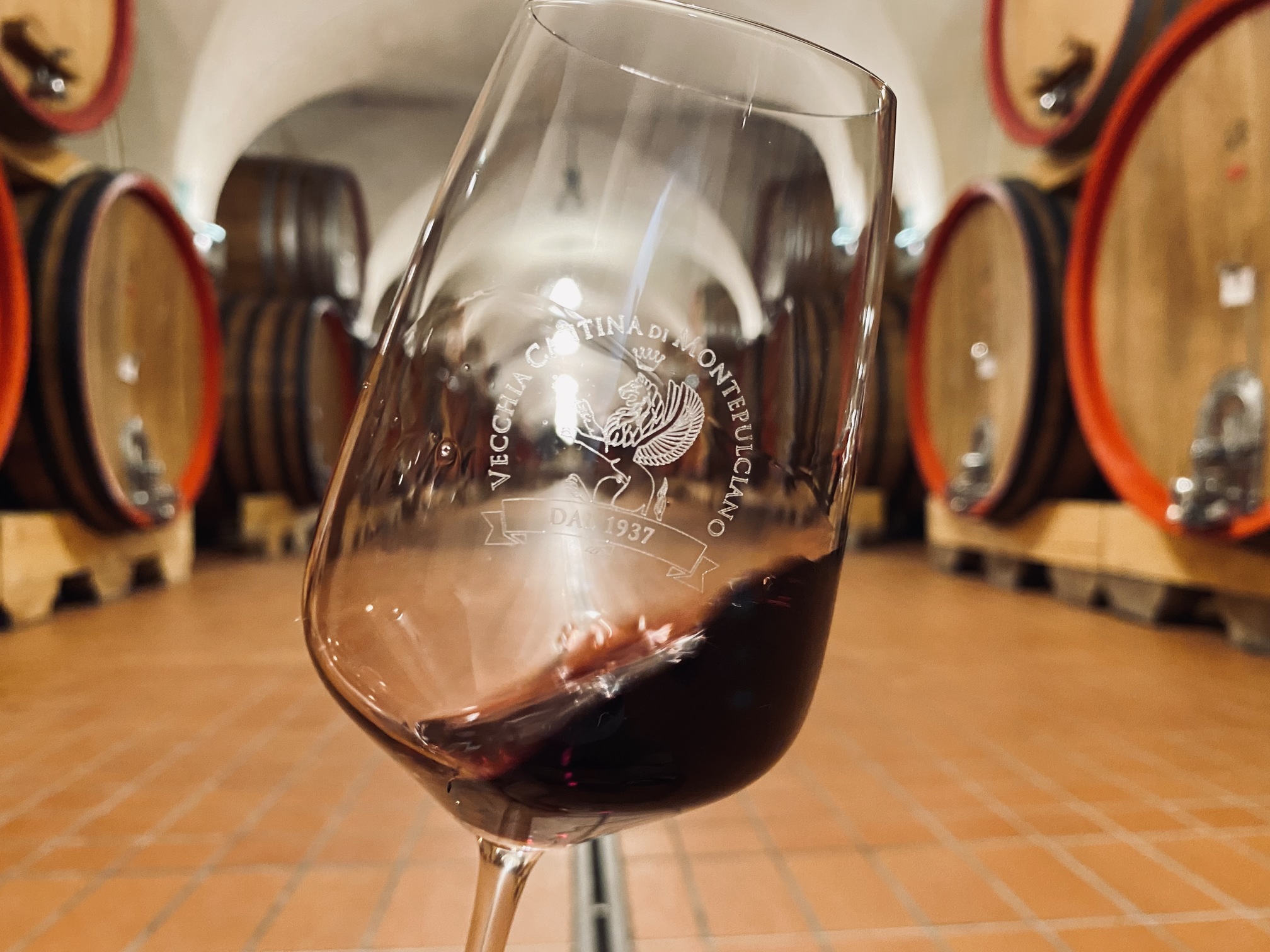
Founded in July of 1937 as a cooperative of fourteen local winemakers who banded together to facilitate both the production and the sales of their wines. Vecchia Cantina bottled its first wine in 1940 during the war. After the difficult war years, in the 1950’s and the reorganization of the lands, the Vecchia Cantina acted as a driving force for wine production in the area, a role that they cover to this day with the over 400 member vineyard owners and over a thousand hectares of vineyards producing around seven million bottles of wine annually.
read more >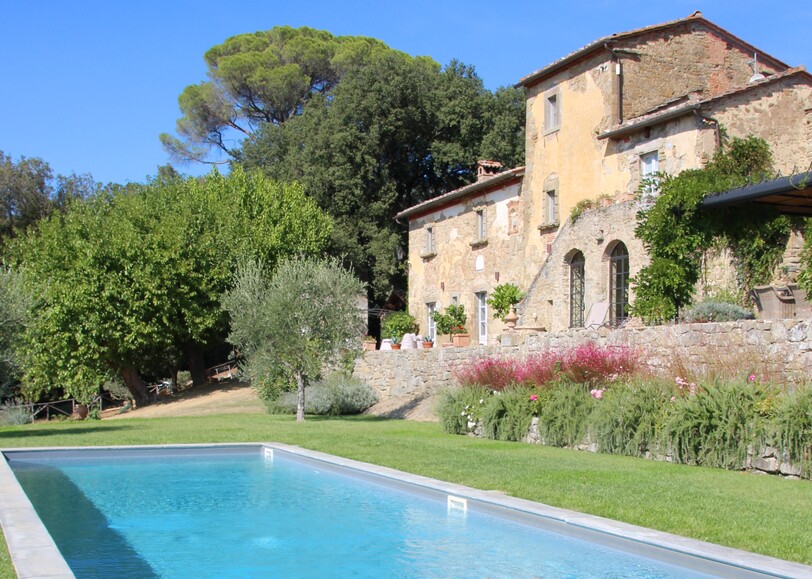
The oldest part of the house, the central tower, goes back to the 15th century, its original incarnation being a watchtower protecting Tuscany’s flank with Papal Umbria. It became a house when two wings to the left and right of the tower were added in 1771 by the Tommasi family, whose coat of arms adorns a large stone set into the wall above the main door.
read more >